

This transcript was machine-generated and may contain spelling errors or other inaccuracies.
Leer en Español
Gigi Guida: Cuando la mayoría de las personas piensan en la historia de la animación, podríamos pensar de Disney, Looney Tunes, Hanna-Barbera u otros famosos estudios y directores. Pero algunas de las personas que ayudaron a dar forma a la animación muchas con nosotros, creció.
Nunca se convirtieron en nombres de familia. El reportero de bloque Monique Moore Pryor nos lleva a cabo esta historia la historia pasada de los animadores negros y el papel que juega Philly en Esa historia.
Monique Moore Pryor: Durante décadas, la historia de la animación estadounidense se ha contado en gran medida los nombres de los grandes estudios y directores famosos.
Rob Gilbert: En particular, la animación era. Por y grande, una ocupación casi exclusivamente dominada por hombres blancos en todas partes. su historia.
Monique Moore Pryor: Robert Gilbert es un animador blanco y dibujante que ha trabajado animación para televisión y videojuegos. Enseña animación en la Universidad de Rowan y también es historiador de animación.
Rob Gilbert: – No lo es. Sólo que fue dominado por hombres blancos. Las personas de color y las mujeres se mantuvieron específicamente fuera de la animación.
Monique Moore Pryor: Un artista, dice Gilbert, ayuda a ilustrar un cambio en esa historia Elmore T. – Vídeo Collins. Collins creció en Harlem, quería ser pintor, estudiado gráfico artes en Cooper Union, Nueva York y trabajó. En animación comercial.
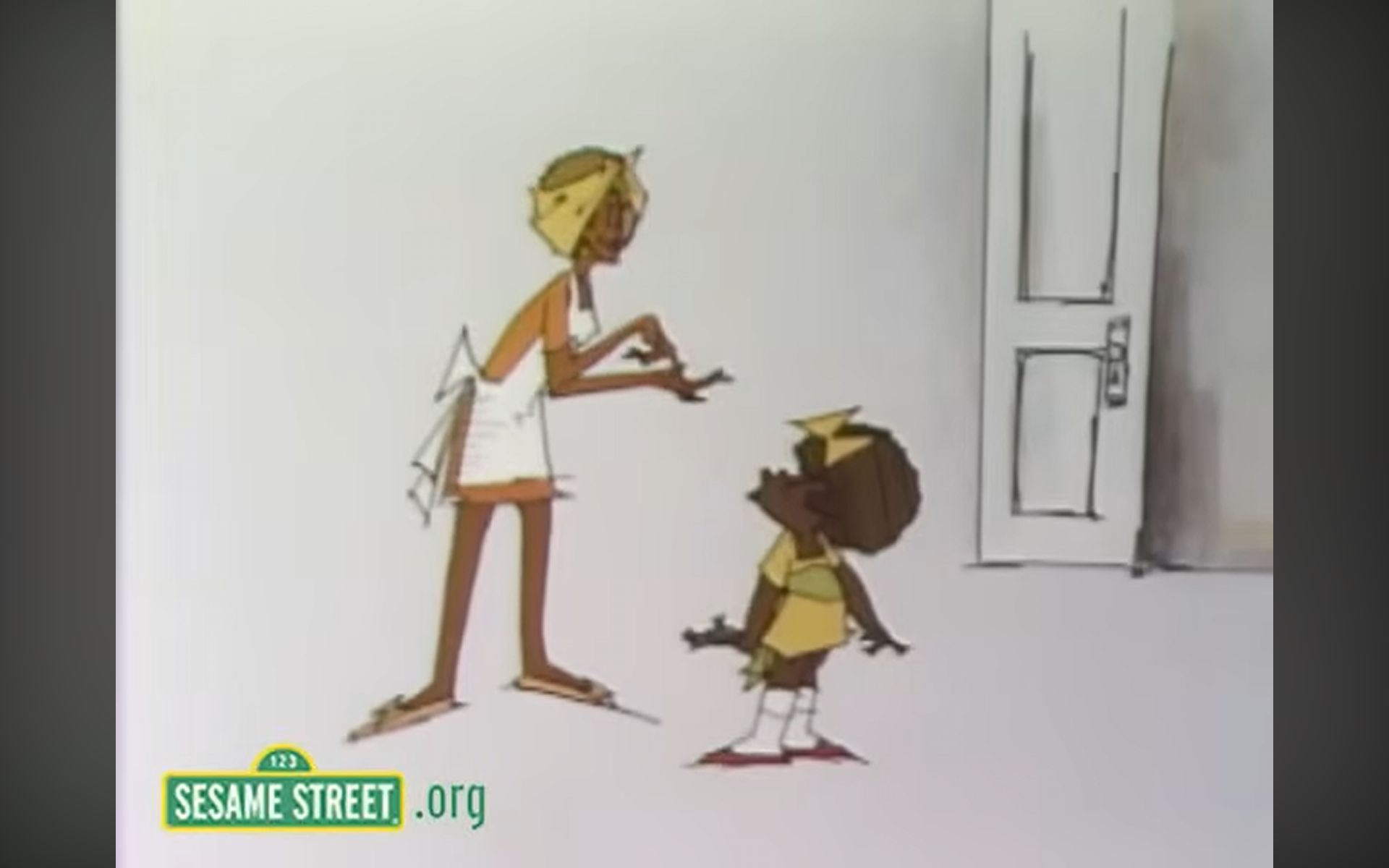
T. Collins era mi abuelo. En 1968, Joan Cooney, una mujer blanca, estaba desarrollando lo que se convierte en Sesame Street y buscó un animador de Harlem. Ayudar a crear televisión educativa para niños negros.
Ella encontró a Collins. Gilbert dice que Collins creó uno de los primeros puestos de educación animada del programa llamada Wanda la Bruja. Y Gilbert dice que la importancia de Collins va más allá de ese crédito.
Rob Gilbert: No fue solo que este animador se pasó por alto. Este animador cambió la animación, abrió oportunidades para los animadores negros, pero para las personas que no formaban parte de la manera establecida de hacer cosas.
Monique Moore Pryor: ¿Puedes darme un ejemplo de lo que influyó? Qué trabajo hizo su trabajo influyen en la animación o animadores que ¿Volvió después de él?
Rob Gilbert: El artista y animador Jim Simon, también de Harlem. Animaba la icónica pan, palo de mantequilla, un recipiente de la leche.
Monique Moore Pryor: Bondad, con eso, y digo que cien veces.
Rob Gilbert: Probablemente la animación recta más reconocible es Fat Albert. Bill Cosby, un nativo de Filadelfia. Escribe este espectáculo sobre su infancia, que tiene lugar en, ya sabes, Filadelfia. Y estos personajes se basan en sus amigos de la infancia y rutinas de comedia hizo sobre su infancia.
De hecho, Jim Simon creó un personaje para ese espectáculo llamado El Brown Hornet.
Monique Moore Pryor: Gilbert dice que Fat Albert fue innovador porque dio Audiencias, una representación de la infancia negra arraigada específicamente en el norte de Filadelfia.
Rob Gilbert: Y la mayor parte de Estados Unidos y el mundo, su primer vistazo La experiencia infantil probablemente habría venido de ese espectáculo porque eso fue transmitir todos los sábados por la mañana o lo que sea.
No era el mundo de Charlie Brown. Esto fue todo. Sabes, muy distintivamente negro. Y los personajes eran caricaturas, pero no fueron difíciles de decir Que cualquier caricatura no es grotesco en algún nivel, ya sabes.
Es una especie de abreviatura para algo, pero no se sumergieron en los tropos del racismo blanco como si hubiera sido tal tradición en Animación de dibujos animados. Antes de eso. Así que tenías personajes con defectos e impedimentos, y como personas reales – ¿verdad?
Como la gente común, ¿sabes? Creo que fue importante y innovador.
Monique Moore Pryor: Y Gilbert ve la conexión de Filadelfia como parte de una cultura más grande intercambio entre Filadelfia y Nueva York, especialmente a través de la música y las artes.
Rob Gilbert: Esa conexión entre el jazz y la animación no puede ser subestimada. Esos artistas viajaban regularmente desde Filadelfia, viajando a Nueva York y recorrer toda la costa este y así sucesivamente, trayendo esas ideas y música alrededor y esas conexiones.
Monique Moore Pryor: Dice que esas influencias podrían verse en la forma en los animadores negros movimiento abordado.
Rob Gilbert: Nadie anima como T. – Vídeo Collins. Nadie anima como Jim Simon. Traen un cierto rhythmic, traen jazz y James Brown animación, movimiento, la forma en que se mueve, la manera de cantar, el camino putl presenta esas canciones.
Cuando hablé con Jim Simon, habla específicamente sobre James Brown como una influencia en la forma en que se acerca a los personajes animados. Y hay un tipo muy específico de gestos y movimiento que obtienes proveniente de crecer en la cultura negra.
Ya sabes, un estilo de caminar, un tipo de expresión que viene fuera. Si miras un palo de mantequilla, recipiente de leche y Mira cómo esa niña camina hacia la puerta, ella está bailando ¿Lo sabes?
Ella está bailando totalmente. Confide. Sí, ella se está moviendo y metiendo, y es fabuloso.
Monique Moore Pryor: Para Gilbert, esa importancia va más allá de la industria de animación.
Rob Gilbert: Traer en diversas perspectivas, otras narrativas, otras experiencias distintas a la narrativa dominante que ha sido tan frecuente durante el último siglo de animación.
Monique Moore Pryor: Y él dice: No tienes que ser un animador para preocuparte por quién crea estas imágenes.
Rob Gilbert: Porque es nuestra cultura. Las artes son nuestra cultura. En América tenemos una historia compartida. Y parte de esa historia no es buena y otra Es hermoso. Pero entender que es comprendernos a nosotros mismos.
Monique Moore Pryor: Así que cuando pensamos en la historia de la animación, Tal vez la pregunta no es sólo quien se hizo famoso. Tal vez sea quien se le dio la oportunidad de imaginar el futuro y cuya imaginación se convirtió en parte de la nuestra.
Para Bloqueo, bloque, Block, soy Monique Christine.
Gigi Guida: When most people think about the history of animation, we might think of Disney, Looney Tunes, Hanna-Barbera, or other famous studios and directors. But some of the people who helped shape the animation many of us grew up with.
Never became household names. Block by block reporter Monique Moore Pryor brings us this story about the overlooked history of black animators and the role Philly plays in that story.
Monique Moore Pryor: For decades, the history of American animation has largely been told through the names of major studios and famous directors.
Rob Gilbert: Notably, animation was. By and large, an occupation almost exclusively dominated by white men throughout its history.
Monique Moore Pryor: Robert Gilbert is a white animator and cartoonist who has worked on animation for television and video games. He teaches animation at Rowan University and is also an animation historian.
Rob Gilbert: It’s not. Just that it was dominated by white men. People of color and women were specifically kept out of animation.
Monique Moore Pryor: One artist, Gilbert says, helps illustrate a change in that history is Elmore T. Collins. Collins grew up in Harlem, wanted to be a painter, studied graphic arts at Cooper Union in New York City, and worked.
In commercial animation. T. Collins was my grandfather. Then in 1968, Joan Cooney, a white woman, was developing what would become Sesame Street and looked for an animator from Harlem. To help create educational television for black children.
She found Collins. Gilbert says Collins created one of the show’s early animated education spots called Wanda the Witch. And Gilbert says Collins’ importance goes beyond that credit.
Rob Gilbert: It wasn’t just that this animator was overlooked. This animator changed animation, opened opportunities for not just black animators, but for people who were not part of the established way of doing things.
Monique Moore Pryor: Can you give me an example of like who did he influence? What kind of work did his work influence animation or animators who came after him?
Rob Gilbert: The artist and animator Jim Simon, also from Harlem. He animated the iconic loaf of bread, stick of butter, a container of milk.
Monique Moore Pryor: Goodness, with that, and I say that a hundred times.
Rob Gilbert: Probably the most recognizable Philadelphia animation is Fat Albert. So Bill Cosby, a Philadelphia native. Writes this show about his childhood, which takes place in, you know, Philadelphia. And these characters are based on his childhood friends and comedy routines he did about his childhood.
In fact, Jim Simon created a character for that show called The Brown Hornet.
Monique Moore Pryor: Gilbert says Fat Albert was groundbreaking because it gave Audiences, a portrayal of Black childhood rooted specifically in North Philadelphia.
Rob Gilbert: And most of America and the world, their first glimpse of Black childhood experience would have come probably from that show because that was broadcast every Saturday morning or whatever. This was not Charlie Brown’s world.
This was. You know, very distinctively black neighborhood. And the characters were caricatures, but they weren’t it’s hard to say that any cartoon isn’t grotesque on some level, you know. It’s some sort of shorthand for something, but they weren’t diving into the tropes of white racism as had been such a tradition in cartoon animation.
Prior to that. So you had characters with flaws and impediments, and like real people have, right? Like everyday people have, you know? And I think that was important and groundbreaking for sure.
Monique Moore Pryor: And Gilbert sees the Philadelphia connection as part of a larger cultural exchange between Philadelphia and New York, especially through music and the arts.
Rob Gilbert: That connection between jazz and animation cannot be understated. Those artists were traveling regularly from Philadelphia, touring into New York and touring all the East Coast and so forth, bringing those ideas and that music around and those connections.
Monique Moore Pryor: He says those influences could be seen in the way black animators approached movement.
Rob Gilbert: Nobody animates like T. Collins. Nobody animates like Jim Simon. They bring a certain rhythmic, they bring jazz and James Brown into animation, movement, the way he moves, the way he sings, the way he puts forward those songs.
When I talked to Jim Simon, he specifically talks about James Brown as being an influence in the way he approaches animating characters. And there’s a very specific type of gesturing and movement you get coming from growing up in black culture.
You know, a style of walking, a style of expression that comes out. If you look at a stick of butter, container of milk, and watch how that little girl walks towards the door, she’s dancing, you know?
She is totally dancing. Confident. Yeah, she’s moving and strutting, and it’s fabulous.
Monique Moore Pryor: For Gilbert, that importance goes beyond the animation industry.
Rob Gilbert: To bring in diverse perspectives, other narratives, other experiences, other than the dominant narrative that has been so prevalent over the last century of animation.
Monique Moore Pryor: And he says, You don’t have to be an animator to care about who creates these images.
Rob Gilbert: Because it’s our culture. The arts are our culture. And in America, we have a shared history. And some of that history is not good and some of it is beautiful. But to understand it is to understand ourselves.
Monique Moore Pryor: So when we think about the history of animation, Maybe the question isn’t only who became famous. Maybe it’s who was given the opportunity to imagine the future and whose imagination became part of ours.
For Block, Block, Block, I’m Monique Christine.
This story was broadcast as part of November 11, 2026 (Block by Block).