
This transcript was machine-generated and may contain spelling errors or other inaccuracies.
Leer en Español
Michelle Gilliard Houston: Noviembre es el Mes de la Herencia Nativa, y como parte de una serie en curso de las conversaciones con los pueblos indígenas en Filadelfia, Block by Block's Brujo La Mancha nos trae esta entrevista.
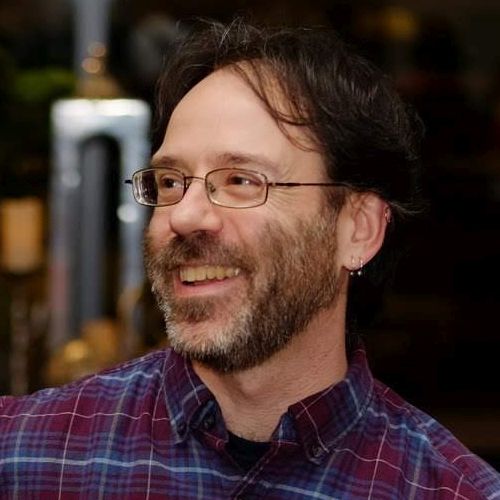
Lulu Thane: Soy Lulu Thane. Soy nativo de Filadelfia, nacido y criado en el Noroeste Alemán Sección de Filadelfia. Tengo muchas historias de mi familia de donde vinimos antes de estar en Filadelfia. Soy un agricultor por el comercio.
Trabajo en el Pueblo de las Artes y Humanidades del Norte y también en Strawberry Mansion. Ubicación del Fairmount Park.
Brujo de la Mancha: Entonces, cuando dijiste sobre tu descendiente nativo, ¿cuál es la imagen? ¿De eso? ¿Cómo describes a las personas? Porque, ya sabes, tenemos diferentes tipos de grupos, asociaciones, tribus. saber, y diferentes etnias.
Lulu Thane: – Es gracioso. Yo diría que soy un perro. La mayoría de nosotros somos estos días porque estamos hechos de mucho de las cosas. Pero mis dos padres son de raza mixta. Así que el lado de mi madre es negro y nativo americano.
Es nuestro entendimiento Cherokee Blackfoot de la zona costera de Carolina del Norte. Y mi padre es escocés, galés y alemán, europeo oriental, sólo primogénito generación en los Estados Unidos. Así que me identifico como un mutt.
Y me gusta tener en cuenta todo mi linaje, pero Yo lo hago. Siéntase muy fuertemente acerca de los Cherokee en nuestro linaje. Es una de las áreas menos comprendidas de la cultura de nuestra familia.
Y eso me llevó en un viaje para averiguar más y de dónde vino nuestra familia antes de Filadelfia.
Brujo de la Mancha: Así que cuéntanos rápidamente cómo crecía cada día en Filadelfia. Al saber que estabas regate muy diferente de todos los demás, pero Sabes, la gente puede verte así, pero no entiendes – O lo entiendes, la gente tal vez no lo vea así.
Lulu Thane: Era una bolsa mixta de buenas y malas experiencias. Pero en general, el ambiente que crecí estaba siendo malinterpretado. Ordenar por tener un signo de interrogación sobre ti, algo que fue duro para que la gente lo entienda.
E incluso en la juventud, como tener jóvenes compañeros jóvenes creciendo. saber que los niños pueden ser bastante desagradables a veces, pero mi existencia parecía para causar confusión a otras personas simplemente porque creo que la gente, ya sabes, ellos.
Es como la segunda naturaleza querer identificar o etiquetar a alguien, no siempre de una manera negativa, pero en cierto modo les ayudó Entiendes mejor. Y fue difícil para mí encontrar hijos, y entrar en mi años de adolescencia, era difícil encontrar personas con las que se relacionaran.
Y diría que algo realmente positivo en eso. Pude bordear muchas líneas de diferentes grupos y subculturas de la gente porque no estaba claramente definido de alguna manera que hiciera un extraño. Podría encontrar mi camino en muchos grupos diferentes de las personas por eso.
Y eso es algo por lo que estoy muy agradecido, teniendo Pasamos mucho tiempo. Buscando a las personas con las que quería relacionarme. Yo siempre estaba en una búsqueda para conocer más gente, encontrar más personas para compartir, tratar de resolverme, también como tratar de ayudar a otras personas a entender quién era yo.
Crecer en mi familia también fue un poco desafiante, dependiendo de a quien preguntaste en mi familia. También dirían que podrían identificarse con otras partes de nuestro linaje y podrían haber entrado en conflicto entre sí.
Tengo muchos tíos y muchos, muchos primos, familia muy grande en el lado de mi madre. Y no todos están tan intrigados o guiados a saber tanto sobre. Nuestra historia familiar. Y eso también creó un poco de tensión, o incluso simplemente más de un signo de interrogación sobre por qué o por qué no No era importante para todos dentro de nuestra unidad familiar saber dónde Venimos de ellos.
Brujo de la Mancha: Así que ahora que entras en una edad diferente, ¿qué es ¿Qué ves en el CD? Lo mismo, como un cambio de cómo era cuando estabas crecer, o todavía tienes el mismo tipo de escena y Concepto de la ciudad a través de tus aventuras y desarrollarte en esto ciudad.
Lulu Thane: En mi juventud, mi madre me llevaría a los Powwows. Solía ocurrir en Fairmount Park hace décadas, y luego, de Eso dejó de suceder. Veo que hay mucho Hermosa conciencia que viene en nuestra ciudad, y hay más cosas como todas las ceremonias del Día de los Muertos que sucedieron en el último pocas semanas.
Y puedo ver que hay algo cambiando ahora por el mejor. Pero todavía veo una lucha. Me encontré siempre teniendo que salir de Filadelfia para encontrar. ¿Alguna tipo de conexión que estoy buscando, o para conseguir más?
información que quiero, o tener ese tipo de experiencia que – Quiero. Los últimos 10 años de mi vida no llegaron necesariamente en Filadelfia, que vino de mí pasar tiempo en el suroeste a México y pasar tiempo en México y buscar esa conexión Esa cosa que es casi tácito.
Es algo que es En mi corazón, ese tipo de relación. Siempre he tenido que irme aquí para encontrarlo. Y eso siempre me ha hecho un poco amargo porque Filadelfia es mi hogar. En este punto de mi vida, me considero afortunado ahora porque He formado muchas conexiones y me encontré en un camino donde esas conexiones vienen más fácilmente, más fácilmente para mí.
Pero creo que eso es por donde me puse. He tratado de alinearme con esas cosas. Y ahora puedo encontrar esa conexión. Pero si me veo como una persona más joven, no saber qué hacer o dónde ir o a donde encontrar Lo que estaba buscando.
Y siento que ese es probablemente todavía el caso para la mayoría de las personas, o al menos la mayoría de las personas que no han descubierto cómo conseguir ellos mismos en alineación o simplemente no tienen la información de.
O los círculos, o saber a dónde ir para obtener la experiencia. Así que creo que todavía hay mucho trabajo por hacer en términos de reconocimiento y uso compartido, acceso a la información y comunidad.
Creo que todavía hay mucho trabajo por hacer.
Brujo de la Mancha: Gracias por compartir toda su experiencia y comprensión de nacer en una ciudad donde es la primera capital de los Estados Unidos. Estados donde las personas tienen diferentes experiencias y la gente migran e intentan encontrar una nueva vida.
Y personas que forman parte de esta parte del continente, Parte del norte del continente, todavía están luchando por sobrevivir, para entender como todos los que vienen aquí. Pero debería ser diferente, ¿verdad? No debería ser así.
Michelle Gilliard Houston: November is Native Heritage Month, and as part of an ongoing series of conversations with Indigenous people in Philadelphia, Block by Block's Brujo de la Mancha brings us this interview.
Lulu Thane: I'm Lulu Thane. I am a Philadelphia native, born and raised in the Germantown Northwest section of Philadelphia. I do have many stories from my family of where we came from before we were in Philadelphia.
I am a farmer by trade. I work at the Village of Arts and Humanities in North Philly and also in Strawberry Mansion. Fairmount Park area.
Brujo de la Mancha: So, when you said about your native descendant, what is the picture of that? How do you describe people? Because, you know, we have different types of groups, associations, tribes, you know, and different ethnicities.
Lulu Thane: It's funny. I would say that I'm a mutt. Most of us are these days because we're made up of lots of things. But both of my parents are of mixed race. So my mother's side is black and Native American.
It's our understanding Cherokee Blackfoot from the coastal area of North Carolina. And my father is Scottish, Welsh, and German, Eastern European, only firstborn generation in the United States. So I identify as a mutt.
And I like to take all of my lineage into account, but I do. Feel very strongly about the Cherokee in our lineage. It's one of the least understood areas of our family's culture. And that led me on quite a journey to find out more and where our family came from before Philadelphia.
Brujo de la Mancha: So just tell us quickly about how you were every day growing up in Philadelphia. By knowing that you were slash very different from everybody else, but you know, people may see you like that, but you don't understand it.
Or you understand it, people maybe don't see it like that.
Lulu Thane: It was a mixed bag of good and bad experiences. But overall, the vibe that I got growing up was being misunderstood. Sort of having a question mark hanging over you, something that was hard for people to understand.
And even in youth, like having young, young peers growing up, we know kids can be pretty nasty at times, but my existence seemed to cause other people confusion simply because I think people, you know, they.
It's like second nature to want to identify or label someone, not always in a negative way, but in a way that helped them understand you better. And it was hard for me to find kids, and into my teenage years, it was hard to find people to relate with.
And I would say that something really positive about that is that. I was able to skirt many lines of different groups and subcultures of people because I wasn't clearly defined in some way that made me an outsider.
I could kind of find my way into lots of different groups of people because of that. And so that's something that I'm actually quite grateful for, just having spent a lot of time. Looking for the people that I wanted to relate to.
I was always on a quest to meet more people, to find more people to share, to try to figure myself out, as well as trying to help other people understand who I was. Growing up in my family was also a bit challenging, depending on who you asked in my family.
They would also say that they might identify with other parts of our lineage and they might have conflicted with each other. I have many uncles and many, many, many cousins, really large family on my mother's side.
And not everyone is as intrigued or guided to know that much about. Our family history. And so that also created a bit of tension, or even just more of a question mark as to why or why not it wasn't important to everyone just within our family unit to know where we came from.
Brujo de la Mancha: So now that you are going into a different age, what is the things you see on the CD? Same thing, like a change from how it was when you were growing up, or you still have the same kind of scene and concept of the city through your adventures and developing yourself on this city.
Lulu Thane: In my youth, my mother would take me to the Powwows. It used to happen in Fairmount Park decades ago, and then, of course, that stopped happening. I do see that there is a lot of Beautiful awareness coming in our city, and there's more things happening like all the Dia de los Muertos ceremonies that happened in the last few weeks.
And I can see that there is something changing now for the better. But I do still see quite a struggle. I found myself always having to leave Philadelphia in order to find. Some kind of connection that I'm looking for, or to get more information that I want, or to have that sort of experience that I want.
The past 10 years of my life didn't necessarily come in Philadelphia, that came from me spending time in the southwest US and going to Mexico and spending time in Mexico and looking for that connection and that thing that's almost unspoken.
It's just something that's In my heart, that type of relating. I've always had to leave here to find it. And that's always made me a little bitter because Philadelphia is my home. At this point in my life, I consider myself lucky now because I have formed a lot of connections and found myself on a path where those connections come more easily, more readily for me.
But I think that's because of where I put myself. I've tried to align myself with those things. And so now I can find that connection. But if I look at myself as a younger person, I didn't know what to do or where to go or where to find what I was looking for.
And I feel that that's probably still the case for most people, or at least most people that haven't figured out how to get themselves in alignment or just don't have the information of. Or the circles, or know where to go to get the experience.
So I think there's still a lot of work to be done in terms of acknowledgement and sharing and access to information and community. I think there's still a lot of work to be done.
Brujo de la Mancha: Thank you for sharing all your experience and understanding of being born in a city where it's the first capital of the United States. States where people have different experiences and people migrate and try to find a new life.
And people who are part of this part of the continent, the northern part of the continent, are still struggling to survive, to understand themselves like everybody else who comes here. But it should be slash different, right?
It should not be like that.
This story was broadcast as part of November 16, 2022.