
This transcript was machine-generated and may contain spelling errors or other inaccuracies.
Leer en Español
Michelle Gilliard Houston: Patrimonio y Día Transgénero del Recuerdo. Residentes de las casas adosadas de la ciudad universitaria en el oeste de Filadelfia. Han estado luchando para permanecer en sus hogares desde el año pasado Su propietario anunció planes para vender el complejo de viviendas.
Las propiedades eran el hogar de unas 70 familias de bajos ingresos que pudieron Ofrecer los alquileres gracias a subsidios federales. Pero el propietario ha estado tratando de poner fin al contrato del gobierno que ofrece esos subsidios.
Ese contrato se ha extendido varias veces. Pero actualmente expirará el 27 de diciembre, lo que significa alquileres Aumentaría abruptamente si no hubiera otra extensión. Y muchas de las docenas de familias que todavía viven en Las casas dicen que no pueden encontrar viviendas asequibles en el vecindario.
Residentes y miembros de la comunidad han estado luchando en los tribunales las calles. Este verano, los manifestantes construyeron un campamento en el sitio y se quedaron allí por más de un mes. Y en una enseñanza reciente, miembros de la comunidad y miembros de las Coalición Save the UC Townhomes habló sobre cómo fue solo el último ejemplo de gentrificación en West Philadelphia, con ricos terratenientes que hacen la barrio inasequible para residentes a largo plazo.
Hablé con un residente a largo plazo de las Miami, pero antes Llegamos a eso, Block by Block's Kriss Hill nos trae el primera parte de nuestra historia.
Kriss Hill: Desafortunadamente, la gentrificación en Filadelfia no es nada nuevo para nosotros. La gentrificación ha estado ocurriendo y desplazando a la gente negra y marrón desde Ya en la década de 1940. Estamos presenciando continuamente nuestras casas y barrios ser derribados Las universidades pueden ampliar sus campus o construir 3,0003,000 al mes de lujo Los apartamentos.
Múltiples áreas de Filadelfia están cambiando rápidamente debido a la gentrificación: Mansión Fresa, Brewery Town, y una gran parte de West Philly. West Philly ha estado perdiendo una gran parte de su tierra para la gentrificación.
Las casas de la ciudad universitaria están tristemente al lado que se toman lejos de West Philly, y los residentes se enfrentan al desalojo después de su El propietario, Brett Altman, vendió sus casas. Están exigiendo mantener sus hogares y mantener una vivienda asequible.
Para personas de bajos ingresos y ancianos en Filadelfia, pero su fecha límite para el desalojo se acerca rápidamente. Esta es una pelea considerable, y están tratando de llegar a más y más personas todos los días para ayudarlos a mostrar ¿Cómo es realmente la gentrificación perjudicial y manipuladora?
Aquí hay algunas palabras poderosas de una enseñanza. Dirigido por la coalición para salvar los hogares de la ciudad.
Speaker 1: Entonces, el desplazamiento en la ciudad de Uk data todo hasta 1945 con la Ley de Revelación Urbana de Filadelfia, que básicamente creó un camino simplificado para que las universidades se expandan en áreas a las que consideraban iluminadas y crimen muerto.
Y esencialmente, todas estas tácticas se utilizaron para extraditar tierras de comunidades negras para allanar el camino de nuevas tiendas Drux University. Entonces, con esto, la expansión de la Universidad Druxland se ha expandido a Powellton y Mantua.
Y así, Muchos de nosotros deberíamos saberlo. La mayoría de los estudiantes en Drexel realmente buscan vivienda en Mansua y Powellton, que han desplazado a tantos miembros de la comunidad. Estos edificios solían ser casas, comunidades, una comunidad negra muy unida.
Pero la Universidad de Drexel y UPenn tienen. Extradición legal para intimidar estas casas a crear estas instituciones. Las instituciones seguirán mintiendo a tu cara y diciémonos, oh no. como somos la universidad más círicamente comprometida en el país.
Nos importa nuestra comunidad. Eso es lo que está en el sitio web del Drexel University Design Center. Es como si fuéramos parte de West Philadelphia y nos preocupamos por el comunidad. Bueno, ¿cómo es tan inaccesible?
¿Cómo es que sigues expandiendo? ¿Y cómo vienen tus políticas siguen mostrando lo contrario? La gentrificación es solo otro nombre para fragmentar la historia, para fragmentr nuestra comprensión de lo que ha estado pasando y lo que sigue adelante.
Esta cita renovación de West Philadelphia. No es diferente a los colonizadores europeos que vienen aquí y dicen que somos ir a trabajar realmente la tierra y quitarle la tierra pueblos indígenas porque no están obteniendo ganancias de ello.
Speaker 2: La gentrificación es una buena palabra para el robo de tierra. Y estas tierras, y lo que hacen es forzar al pueblo Dejan que se deterioren. Por lo tanto, pueden arruinar el área y usar el proceso de dominio inminente Tomarlo de nuevo y comenzar su proceso de reurbanización.
Y todo lo que es, es la destrucción de las comunidades y está pasando durante demasiado tiempo. Y con las casas adosadas, esta es nuestra posición. Aquí es donde la gente, las personas que han hecho estos barrios prospera.
Durante muchos años, aquí es donde tenemos que tomar una Mantente firme. Aquí es donde la gente, incluso si no eres residente de vecindario, todos sabemos que esto está mal. Todos sabemos que este es el proceso de manipulación.
Tenemos que enfrentarse a eso. Esta es nuestra posición.
Michelle Gilliard Houston: La lucha por las casas municipales de la ciudad universitaria, así como la gentrificación en nuestra ciudad, ha tenido un profundo impacto. Impacto en nuestra comunidad, forzando a muchos residentes de los barrios que han estado en casa durante la mayor parte de sus vidas.
, residente de 24 años de University Townhomes su historia personal sobre cómo este desplazamiento potencial ha impactado su vida y cambió su propósito hacia el activismo para viviendas asequibles en Filadelfia.
Lynn Green: He estado viviendo aquí durante 24 años. Pero lo que pasa es que empecé a gustar barrio debido a la comunidad, que estaba buscando porque en todas partes Me moví como una niña pequeña, teníamos ese entorno comunitario.
Y lo encontré aquí. Ya sabes, vecinos buscando vecinos. Cuando fui a trabajar, mi vecino al lado viéndote a mis hijos. Eso fue importante para mí. Mi barrio se hizo como mi familia. Entonces, por eso estamos luchando tan fuertes para quedarnos aquí porque de la comunidad.
Fiestas, barbacoas y personas que se unen. Cuando necesitas ayuda, estaban allí. Era como una familia.
Michelle Gilliard Houston: ¿Puedes hablar conmigo sobre tus propias observaciones de West Philadelphia University City y de qué has visto? ¿Has comenzado a vivir en University City hasta ahora?
Lynn Green: Estaba hablando con mi madre. Le había dicho que estaba muy feliz porque me encanta plantas y tienen una tienda de planta verde justo enfrente de la calle. Así que le dije: Madre, oh wow, se han abierto una tienda de plantas.
Y dije: Ahora tienen todas estas tiendas donde tú Puede sentarse y comer. Y dije, creo que es maravilloso. Ellos, ya sabes, salpicando el barrio. Y ella era como, bueno, odio decirte, tu barrio está a punto de cambiar y estás a punto para mudarte.
Ella dijo: Cuando vivía Eastwick, mi madre y todo Tenía que mudarnos. Y ella dijo, así que será mejor reunirse porque eso es lo que hay para pasar a donde estás. Así que no la creí porque estoy pensando, como, no.
ellos no harían eso. Bueno, no aquí. Pero entonces empiezo a ver, y ella tenía razón. Empecé a mirar los edificios alrededor de la Universidad de Penn y todos los edificios aquí, las tiendas de esquina que tenemos.
Recuerde, mis hijos pasaban de ellos y me di cuenta de que eso era irse. Y estoy pensando en la tienda de pelo que nos gusta herir nuestra pelo. Eso se iba. Todo se iba.
Estoy pensando, como, ¿qué pasa? Entonces vi las tiendas, como mencioné, los restaurantes donde tú Puede comer fuera. Y fue entonces cuando me di cuenta, como, wow, algo está a punto de suceder. Sí, esto es todo.
De eso es de lo que está hablando. Luego tuvimos una carta en el correo.
Michelle Gilliard Houston: Durante nuestra conversación, Miss Verde compartió que comenzó a leer negativa comentarios bajo las historias sobre las casas de la ciudad de University City. Ella fue profundamente afectada por los comentarios sobre residentes de bajos ingresos y quería para arrojar una idea de los estereotipos y falsas narrativas sobre la gente Experimentar el desplazamiento debido a la gentrificación.
Lynn Green: Te digo que me criaron para trabajar duro. He estado trabajando desde que tengo 12. Incluso cuando vine aquí, tuve dos trabajos. Trabajó siempre en el hospital o al por menor. Es como las personas estereotipo que vivían en viviendas subvencionadas o Sección 8.
Los miran tan sucio y perezoso. Y eso no es cierto. Porque muchas madres aquí, Cuando te digo que trabajan muy, muy duro, dos trabajos. Si no los ves trabajando, están empujando el carrito de compras, yendo a la lavandería, compras de comida.
Porque me enseñaron a trabajar y he estado trabajando todo La vida. Sin duda un mal estereotipo.
Michelle Gilliard Houston: Estaba leyendo que hay una fecha límite del 27 de diciembre para los residentes Para encontrar. Otras viviendas. ¿Dónde estás en este proceso y cómo esto impactó tu vida, esta fecha límite y tener que pasar del lugar que ¿Llamas a casa?
Lynn Green: Me cuesta decir que encontré un lugar porque No firmé mi nombre en una línea punteada. Pero el lugar que encontré es muy cuestionable. Porque no me gusta el barrio. No tiene nada que ofrecer: supermercados, paradas de autobús, trenes o cualquier cosa.
Y estoy en la edad o punto de mi vida que Necesito eso. Estoy tratando de conseguir un lugar para vencer el tiempo, pero La cosa es que los lugares que estoy viendo no Bueno para vivir.
Y todo este orden de moverse y cómo los hombres. Vinieron y nos lo dijeron, y también ha destruido mi mental como mi salud física. Estoy lidiando con fibra cardíaca y ataques de pánico, y a veces no puedo dormir Porque estoy pensando constantemente en lo que va a pasar después.
No tenemos nadie aquí para ayudarnos. Tienen un administrador de reubicación para ayudarnos aquí, pero no es buena ayuda.
Michelle Gilliard Houston: ¿Cuál es la mentalidad de los residentes ahora? ¿Sientes que quieren seguir luchando? ¿Se sienten frustrados? ¿Qué está pasando ahora?
Lynn Green: Por eso digo que queremos quedarnos aquí porque No hay lugar para ir. Es por eso que las jóvenes de aquí tomaron lugares solo para salir De aquí porque tenían miedo de que van a estar sin hogar.
Y donde están, no les gusta. Tienen miedo de dónde están. No se sienten como si estuvieran en forma de vivir. Tienen hijos. Saben que llega el invierno. Simplemente no querían ser molestados en el Calles.
Así que simplemente lo tomaron. Tenemos una lucha tan fuerte. Sabes, no tengo otra conversación de la que hablar, pero Las casas adosadas, lo que vamos a hacer después. Cuando tuvimos ese campamento aquí, que era lo mejor, una de las mejores cosas que salieron, porque Conocieron a algunas personas maravillosas.
Y no se dio cuenta de lo que realmente estaba pasando en el mundo. Realmente, ya sabes, cuando estás tratando con tu vida. ¿Qué pasa contigo? Pero entonces, cuando empiezo a hablar con otras personas, me doy cuenta de que es mundial.
Esto es como malo aquí. La gente está sufriendo, realmente sufriendo. Incluso si tuviera que salir de aquí el 27 de diciembre, Todavía es una pelea. Esa pelea todavía no se detiene. Es para nosotros, pero también es para la gente.
Es por mis nietos que van a subir. Por lo tanto, es por eso que esta lucha. No tendremos vecindario, no tendremos a dónde ir. Así me siento. Y siempre le digo a mi nieta que: pararse y luchar contra lo que Creo.
Porque incluso la gente que luchó delante de nosotros, es por eso que las cosas tienen Cambia, especialmente si quieres ayudar. Tú y todos los que te rodean tienen que luchar.
Michelle Gilliard Houston: heritage, and Transgender Day of Remembrance. Residents of the University City townhomes in West Philadelphia. Have been fighting to stay in their homes since last year when their landlord announced plans to sell the housing complex.
The properties were home to about 70 low-income families who were able to afford the rents thanks to federal subsidies. But the landlord has been seeking to end the government contract that offers those subsidies.
That contract has been extended several times. But it's currently set to expire on December 27th, which means rents would rise steeply if there isn't another extension. And many of the dozens of families that are still living in the townhomes say they're unable to find affordable housing in the neighborhood.
Residents and community members have been fighting back in court and on the streets. This summer, protesters built an encampment on the site and stayed there for more than a month. And at a recent teach-in, community members and members of the Coalition to Save the UC Townhomes spoke about how this was just the latest example of gentrification in West Philadelphia, with wealthy landowners making the neighborhood unaffordable for long-term residents.
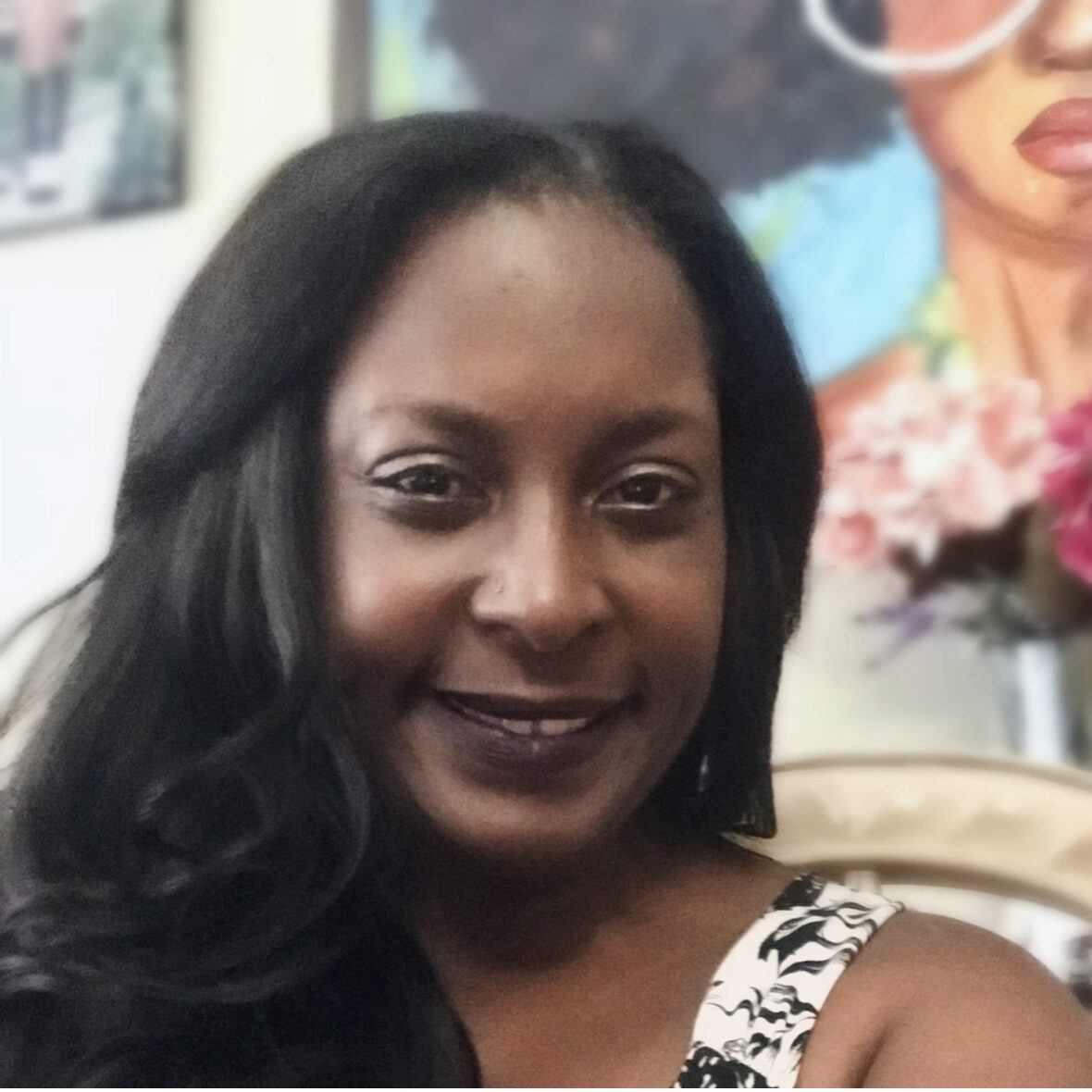
I spoke with a long-term resident of the UC Townhomes, but before we get to that, Block by Block's Kriss Hill brings us the first part of our story.
Kriss Hill: Unfortunately, gentrification in Philadelphia is nothing new to us. Gentrification has been happening and displacing black and brown people since as early as the 1940s. We are continuously witnessing our homes and neighborhoods be torn down so universities can expand their campuses or to build $3,000 a month luxury apartments.
Multiple areas of Philly are changing rapidly due to gentrification: Strawberry Mansion, Brewery Town, and a huge chunk of West Philly. West Philly has been losing a lot of its land to gentrification. The University City Town homes are sadly up next to be taken away from West Philly, and the residents are facing eviction after their landlord, Brett Altman, sold their homes.
They are demanding to keep their homes and to keep affordable housing. For low-income people and seniors in Philadelphia, but their deadline for eviction is fast approaching. This is a hefty fight, and they are trying to reach more and more people every day to help them out and to show others how damaging and manipulative gentrification really is.
Here are some powerful words from a teach in. Led by the Coalition to Save the Town Homes.
Speaker 1: So, displacement in Uk City dates all the way back to 1945 with the Philadelphia Urban Redevelopment Law, which basically created a streamlined path for universities to expand into areas that they deemed as lighted and crime-ridden.
And essentially, all of these tactics were used to extradite land from black communities to pave way for new tent Drux University new sciences. So, with this, the expansion of Drexel University has expanded into Powellton and Mantua.
And so, A lot of us students should know this. Most students at Drexel actually seek out housing in Mansua and Powellton, which have actually displaced so many community members. These buildings here used to be houses, communities, a tight-knit black community.
But Drexel University and UPenn got. Legal extradition to bulldoze these houses to create these institutions. Institutions will continue to lie to your face and say, oh no, like we're the most civically engaged university in the nation.
We care about our community. That's what is on Drexel University Store Design Center's website. It's like we're part of West Philadelphia and we care about the community. Well, how come it's so inaccessible? And how come you keep expanding?
And how come your policies keep showing otherwise? Gentrification is just another name to fragment history, to fragment our understanding of what has been going on and what continues to go on. This quote unquote renewal of West Philadelphia.
Is no different than European colonizers coming over here and saying we're going to really work the land and take the land away from indigenous peoples because they're not making profit off of it.
Speaker 2: Gentrification is a nice word for thievery of land. And these lands, and what they do is they force the people out, they allow them to deteriorate. So they can blight the area and use the imminent domain process to take it over and start their redevelopment process.
And all it is, is destruction of communities, and it's going on for far too long. And with the townhomes, this is our stand. This is where the people, the people that have made these neighborhoods thrive.
For many of years, this is where we have to take a stand. This is where people, even if you're not a resident of the neighborhood, we all know that this is wrong. We all know this is the manipulative process.
We have to stand against that. This is our stand.
Michelle Gilliard Houston: The fight for University City townhomes, as well as gentrification in our city, has had a profound impact. Impact on our community, forcing many residents out of the neighborhoods that have been home for most of their lives.
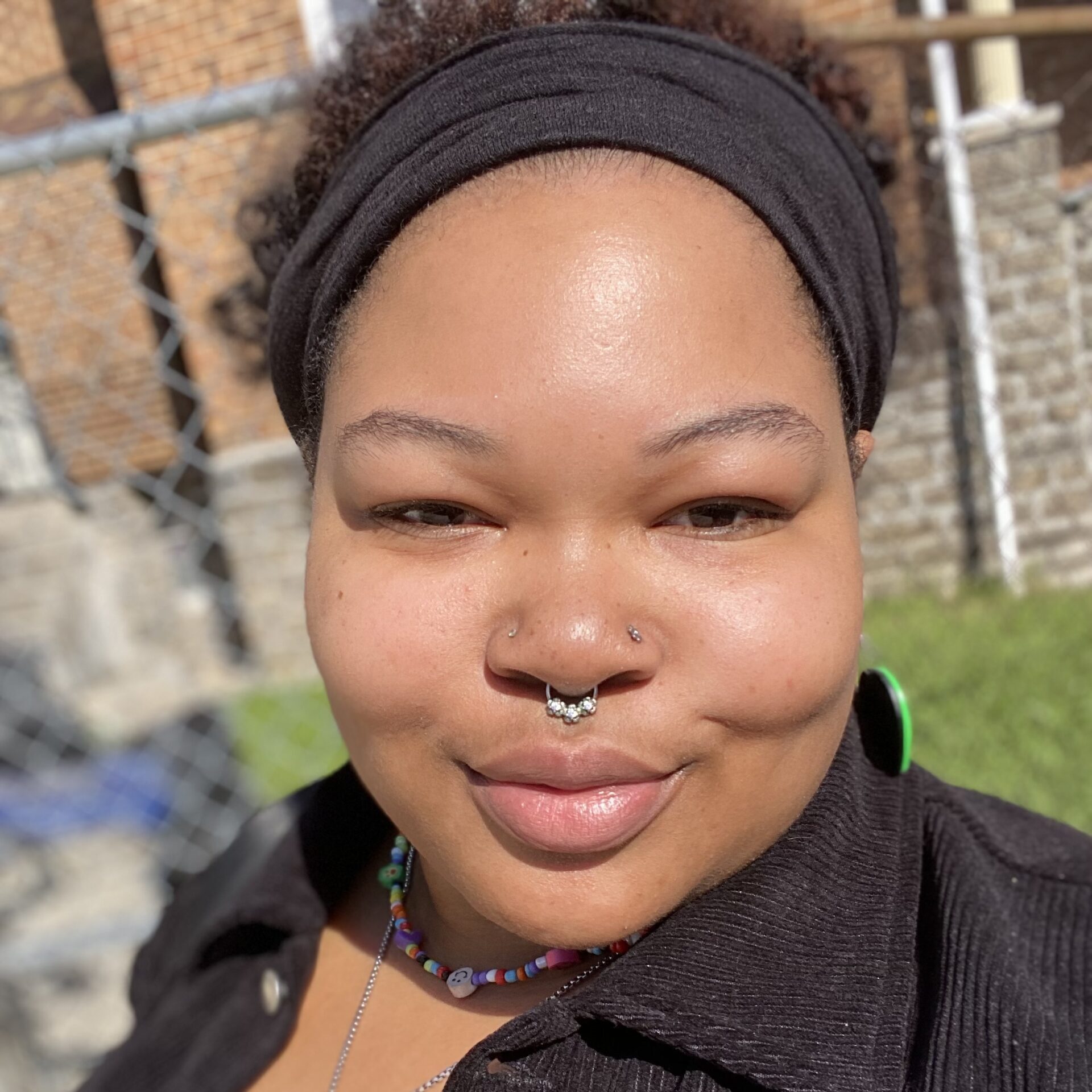
Philly native Lynn Green, a 24-year resident of University City Townhomes, shared her personal story on how this potential displacement has impacted her life and shifted her purpose into activism for affordable housing in Philadelphia.
Lynn Green: I've been living here for 24 years. But the thing about it is I was beginning to like the neighborhood because of the community, which I was looking for because everywhere I moved as a little girl, we had that community setting.
And I found it here. You know, neighbors looking out for neighbors. When I went to work, my neighbor next door watched my children. So that was important to me. My neighborhood became like my family.
So, this is why we're fighting so strong to stay here because of the community. Parties, barbecues, and people just joining together, talking. When you need help, they were just there. It was just like a family.
Michelle Gilliard Houston: Can you talk to me about your own observations of West Philadelphia University City and what you've seen from? The time you first began living in University City to now?
Lynn Green: I was just speaking to my mother about that. I had said to her I was so happy because I love plants and they have a green plant store right across the street. So I said to her, Mother, oh wow, they have opened up a plant store.
And I said, now they got all these stores out where you can sit out and eat. And I said, I think it's wonderful. They, you know, spoosing up the neighborhood. And she was like, well, I hate to tell you, your neighborhood is about to change and you're about to move out of there.
She said, when I lived out Eastwick, my mother and all of us had to move. And she said, so you better get yourself together because that's what's about to happen where you're at. So I sort of didn't believe her because I'm thinking, like, no, they wouldn't do that.
Well, not here. But then I start watching, and she was right. I started looking at the buildings around the University of Penn and all the buildings around here, the corner stores that we have.
Remember, my kids would run from, and I noticed that that was leaving. And I'm thinking the hair store that we like to braid our hair. That was leaving. Everything was leaving. I'm thinking, like, what's going on?
Then I seen the stores, like I mentioned, the restaurants where you can eat outside. And that's when I realized, like, wow, something is about to happen. Yep, this is it. This is what she's talking about.
Then we had got a letter in the mail.
Michelle Gilliard Houston: During our conversation, Miss Green shared that she began to read negative comments under the stories about the University City townhomes. She was deeply struck by the comments about low-income residents and wanted to shed some insight into bunk stereotypes and false narratives about people experiencing displacement due to gentrification.
Lynn Green: I tell you, I was raised to work hard. I've been working since I've been 12. And even when I came here, I had two jobs. Always worked at the hospital or retail. It's like stereotype people that lived in subsidized housing or Section 8.
They look at them as too dirty and lazy. And that's not true. Because a lot of mothers here, When I tell you they work very, very hard, two jobs. If you don't see them working, they're pushing the shopping cart, going to the laundromat, food shopping.
Because I was taught to work and I've been working all my life. Definitely a bad stereotype.
Michelle Gilliard Houston: I was reading that there's a deadline of December 27th for residents to find. Other housing. Where are you at in this process and how has this impacted your life, this deadline and having to move from the place that you call home?
Lynn Green: It's hard for me to say that I found a place because I didn't sign my name yet on a dotted line. But the place that I found is very questionable. Because I don't like the neighborhood.
It doesn't have anything to offer: supermarkets, bus stops, trains, or anything. And I'm at the age or point in my life that I need that. I am trying to get a place to beat the time, but the thing about it is the places that I'm seeing is not good to live in.
And this whole order of moving and how alt men. Came and told us, and it has destroyed my mental as well as my physical health. I'm dealing with heart fib and panic attacks, and can't sleep sometimes because I'm constantly thinking about what's going to happen next.
We have no one here really to help us. They have a relocation manager to help us here, but it's no good help.
Michelle Gilliard Houston: What is the mindset of the residents now? Do they feel like they want to continue fighting? Do they feel frustrated? What is happening right now?
Lynn Green: This is why I say that we want to stay here because there's no place to go. That's why young ladies in here took places just to get out of here because they were scared that they're going to be homeless.
And where they're at, they don't like it. They're scared where they're at. They don't feel as though it's fit to live in. They have children. They know wintertime is coming. They just didn't want to be bothered being put out in the streets.
So they just took it. We have such a strong fight. You know, I don't have no other conversation to talk about, but the townhouses, what we're going to do next. When we had that encampment out here, which was the best thing, one of the best things that came out of it, because I met some wonderful people.
And didn't realize what was really going on in the world. Really, you know, when you're dealing with your life, you just see what's going on with you. But then when I start talking to other people, I realize this is worldwide.
This is like bad out here. People are suffering, really suffering. Even if I had to leave out of here December the 27th, it's still a fight. That fight still doesn't stop. It's for us, but it's for the people as well.
It's for my grandkids that's going to come up. So, this is what this fight is for. We won't have no neighborhood, we won't have nowhere to go. And that's how I feel. And I always tell my granddaughter that: stand and fight what you believe.
Because even the people that fought before us, that's why things have changed, especially if you want to help. You and everybody around you have to fight.
This story was broadcast as part of November 16, 2022.