
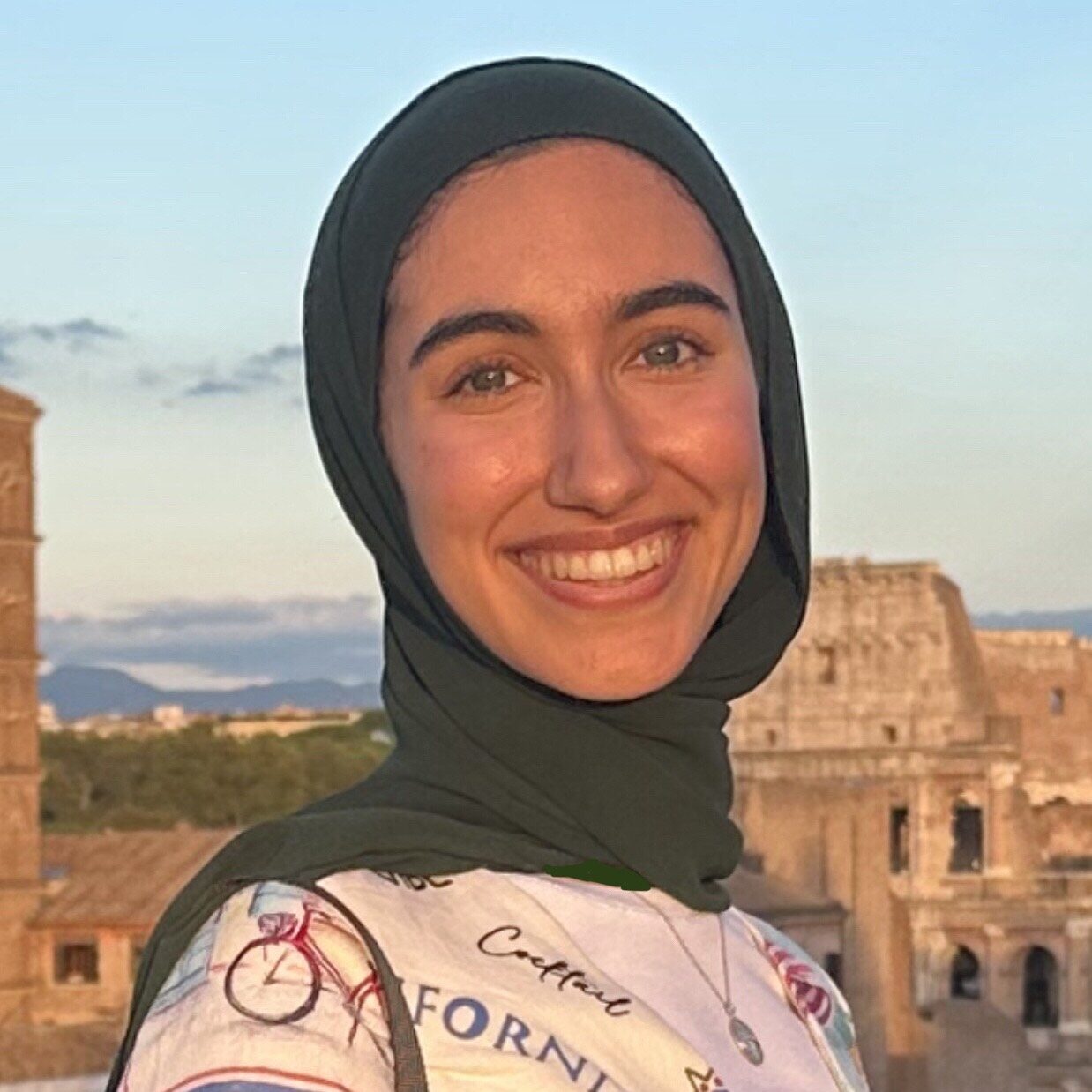
Amadee Braxton
A New Jersey-based political activist with ties to Philadelphia is back in the United States after being detained by the Israeli military. He’d been part of the largest flotilla of civilian ships to date that is trying to challenge the Israeli naval blockade that prevents humanitarian aid from being delivered to residents of Gaza. Block by Block, reporter Dounya Ramadan traveled to New York on May 24th with other Philadelphians to welcome him home, and brings us this story.
Dounya
At JFK International Arrivals Hall, I waited alongside hundreds of people, including Philadelphia friends and New Jersey family members of political activist and former Philadelphia resident of seven years, Amed Ibrahim, to greet him and 14 other U.S. citizen flotilla participants arriving back home after being deported by Israel. Amed’s organizing experience, which centers Palestinian political prisoners and resistance, started in Philadelphia, where he spent his 20s and became an important part of the Philadelphia organizing community, Ramar decided to embark on this maritime flotilla with people from over 40 other countries to challenge the Israeli naval blockade and siege imposed on Gaza since 2007, which has been condemned as illegal by the UN and rights groups since its imposition. Israel intercepted their ships, abducted them in international waters, tortured them in their prison ships, and at Ketsiot prison camp in the Negev Desert. While we waited for Amr to be released from the U.S. Customs and Border Protection custody, I spoke with Amed’s friend, Philadelphia organizer Noor.
Noor
What’s been really horrible knowing that your friend is detained and being held in these Israeli prisons with like hundreds of other like activists and flotilla like participants, Israel has even killed at least 10 flotilla participants since 2008, when the flotilla missions began. You know what we’ve seen happen to these flotilla participants pales in comparison to what Israel does to Palestinians in Israeli prisons constantly,
Dounya
According to Palestinian political prisoner advocacy organizations and the UN, over 9,000 Palestinians are in Israeli captivity. 1000s being held without charges, some of them being women and children and health workers from Gaza. And Amed’s mother says part of the reason her son was on the flotilla was to highlight these abuses Palestinians have endured in Israeli captivity for decades.
Amed’s mother
We’re not only like advocating for my son; we’re advocating for everyone else’s in the Israelis prison. 9000 like prisoners, they’ve been like tortured, like raped, everything that you can imagine happening to them. So if we focus now on our children coming back home. We also have to highlight what’s happening in Palestine.
Amed
Thanks for coming.
Dounya
That was Amed. He just got released from CVP custody at JFK Airport. While in Israel’s Ketsyot prison camp, Israeli guards subjected Amr to multiple blows to the head. At their hands, he also sustained injuries such as a possible broken nose, nerve damage, and muscle tissue and rib damage. But even though Israel subjected him to torture and abuse, he wants to keep shining a light on the abuses happening to Palestinians every day. A week after Ahmed’s arrival at JFK, he sat down with me to discuss his experience and how the perception of flotilla participants and what they’ve experienced in Israeli prisons is directly connected to how Israel views Palestinians.
Amed
Based on how they treated us and how they talked about Palestinians, they didn’t see Palestinians as humans, they saw them as animals that they needed to exterminate. They even like threatened to bring us to Gaza, which was like ironic because that’s where we were trying to go. But the way they kept threatening to do that is like suffer there with them and potentially die there with them.
Dounya
Ahmed explains how the conditions in the Israel Quetzyot prison camp he was held in resembled that of a concentration camp.
Amed
At one point, we were held in a small cage, where like 100 of us were like stacked on top of each other. We stayed in that cage for hours well into the night. International outrage and diplomatic pressure led to. Our release within days, but Palestinians stay for years and even decades, and Palestinians endure these systems largely in isolation and without media attention or any intervention or any kind of protection.
Dounya
Ahmed still recognizes that many might be skeptical about the several missions since 2008 that have failed to actually break the Israeli blockade on Gaza, but Ahmed explains there is more to this international mission that folks are missing here.
Amed
It’s important to talk about how much this means to the people in Gaza. I’ve had friends of mine who live in Gaza call me to tell me like how much it means to them to see they weren’t forgotten. The people in Gaza is they can’t believe the whole world is watching, and no one’s really doing anything. It may feel like it’s symbolic, but it does mean a lot to them that people haven’t forgotten about them.
Dounya
From Philly political prisoners like Mumia Abu Jamal to Palestinian Gazan healthcare worker Dr. Hassem Abu Sofia, who’s now in solitary in Israel? Amr says, “Hear them and advocate for them. If you want to hear more from Amr, a longer filmed interview will be published on the YouTube channel Hate Five Six in the coming weeks. For PhillyCAM’s Block by Block, I’m Dounya Ramadan.
This story was broadcast as part of the June 10, 2026 episode of Block by Block.
Note: This transcript was machine-generated and may contain some spelling errors or other inaccuracies.