
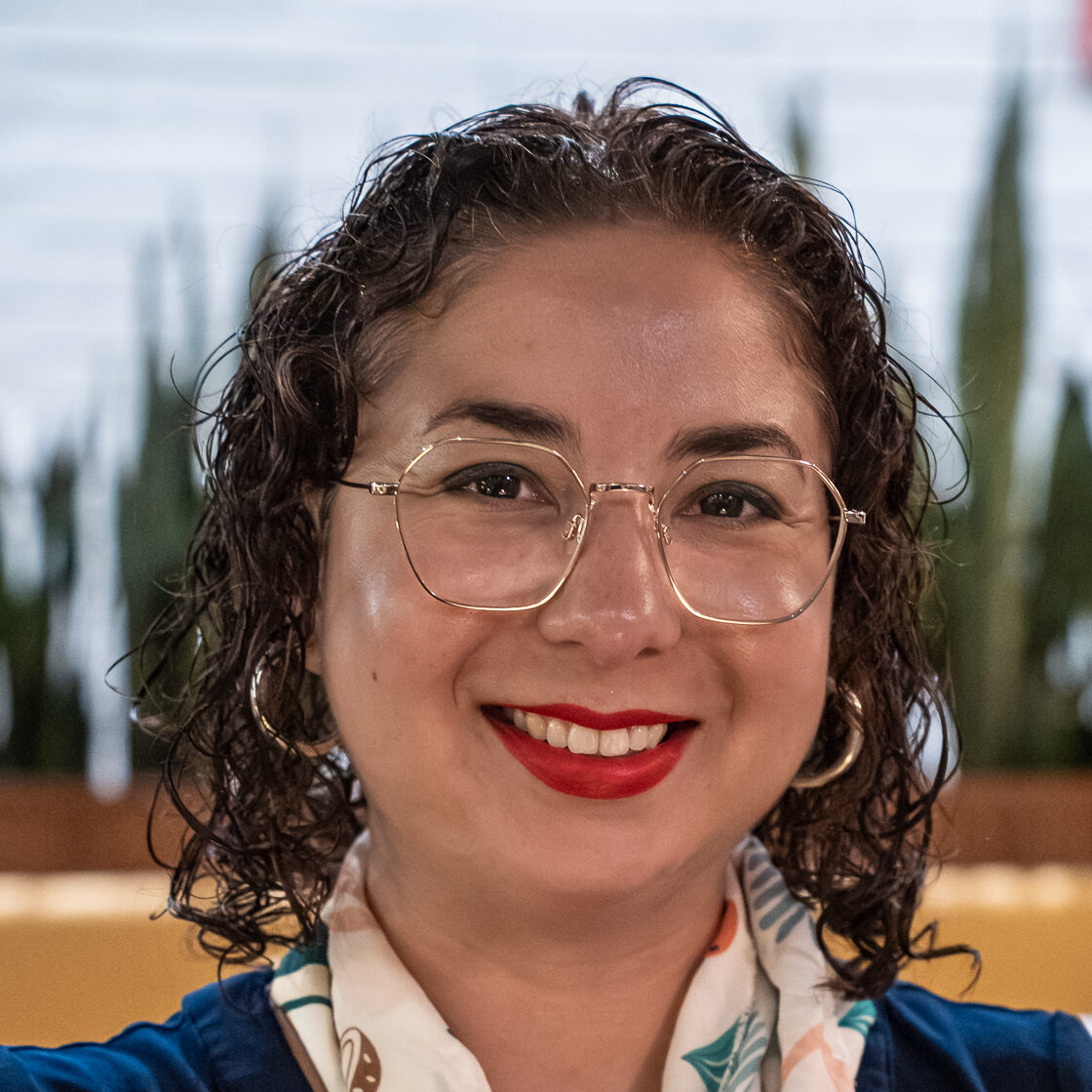
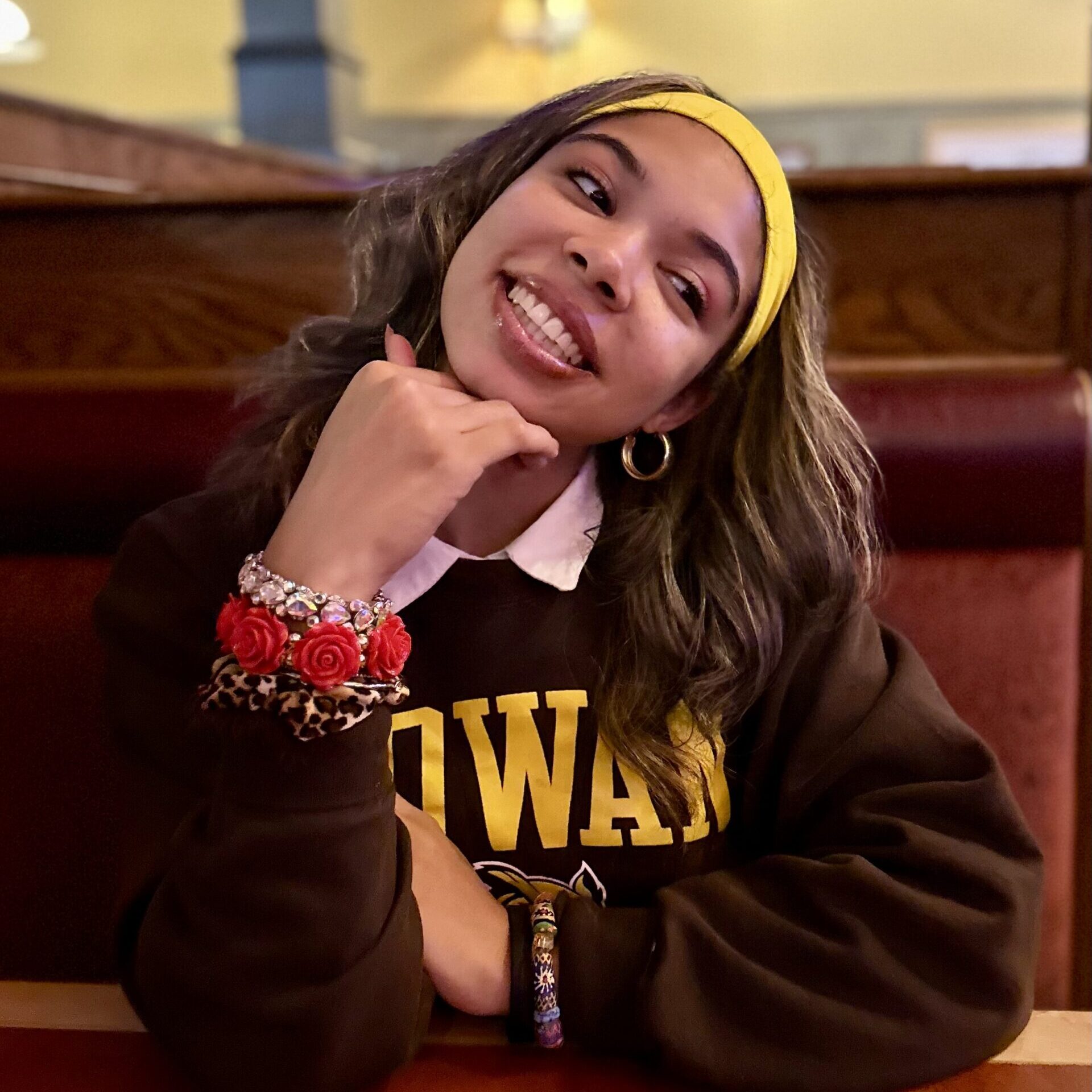
Many Philadelphians don’t realize that one of the city’s largest and most dynamic public spaces is tucked along the waterfront at the bottom of South Philly. I was just at the Navy Yard yesterday with my dog and my husband, and I’m always surprised to discover something new to see or do when I’m there. I wanted to have this conversation today to learn more about the Navy Yard’s urban development progress, how to get more Philadelphians, to use the Navy Yard in everyday life, and what the next chapter looks like in transforming historic sites into modern hubs. Kate McNamara, thanks so much for joining us on Around the Block.
This story was broadcast as part of the June 21, 2026 episode of Around the Block.
Note: This transcript was machine-generated and may contain some spelling errors or other inaccuracies.
Kate McNamara Thanks so much for having me.
Alisha Miranda So let’s start off, for those who don’t know that the Navy Yard was the birthplace of the US Navy. Can you tell us a little bit more about the site’s history?
Kate McNamara Sure. So the Navy Yard operated as the US Navy’s first dedicated shipyard in the United States. So a long history of innovation, job creation, national security that still continues to this day. Um, the Navy is still our biggest employer down at the Navy Yard. They have eight tenant commands and almost four thousand employees. Um, and they’re still doing some of the most innovative things dealing with ship systems and production and energy. Um, it’s really cool. So we’re really happy to be partnered up with them. Um, and in terms of the history, there’s still a lot that you can see there. I mean, in addition to building, you know, almost a warship a month during World War Two, it was also the site of the first naval aviation facility. So, you know, Top Gun, all those cool scenes that all started right here in Philadelphia at the Navy Yard.
Alisha Miranda That’s awesome. I didn’t know that. Um, I think I like to think about the Navy Yard as like an interesting multi-purpose use case study. So converting a former industrial site into a residential or commercial neighborhood with recreational spaces, hotels, and more. Um. I’m curious. What are the some. Excuse me. What were some of the biggest challenges involved in that transformation? Um, and to now what we see is a mixed use district or any highlights or achievements over the past twenty five years since Pidc got involved.
Kate McNamara Sure. So the biggest challenge is the size. It’s one thousand two hundred acres, which is basically the size of Center City, Philadelphia. So it is a big area. And when Pidc took ownership of the site, you know, it was infrastructure that hadn’t been upgraded in years, a utility grid that was kind of, um, weak at best. Um, there’s a bridge there that goes up and down to let the ships in and out. Uh, that had a lot of problems. So really just kind of figuring out what was the most important, how we could kind of break it into pieces and start with the town center, the historic core, build it out to the corporate center and just keep adding and adding and adding Incrementally, but also keeping in mind a couple of really important principles. Um, public access, because it had never had that making it a place where the public could come. Job creation was paramount, um, really, you know, contributing to Philadelphia and what it needed. And then also viewing it as one of the only opportunities you will ever get in urban planning. To start from scratch and take a really strong position on everything has to be sustainable, resilient. Leed certified. Um, and really see if we could kind of turn the tide on the market by setting a good standard.
Autumn McCann Nice, nice, nice. So what are some of the biggest developments currently underway?
Kate McNamara Oh my gosh. There is a lot of exciting stuff.
Autumn McCann Oh I’m excited.
Kate McNamara Um, so this year we are super excited. We’ve been working to make it, you know, Philadelphia’s next great community and really tie it back into South Philadelphia and the city. So we opened our first two residential buildings. It’s super exciting. It’s the first residential since the base closed. That’s AB Normandie and Ave Constitution and they are, um, really great projects by Ensemble and Korman communities. And you know, you can actually go look at the units and lease them up right now. Um, the other thing that is happening is west of Broad Street. We have Urban Outfitters just had the governor down last week to announce a big expansion. Um, the shipyard is investing five billion dollars and adding five thousand jobs. Um, and then on the east side of Broad Street, really working to keep building out, um, residential retail, but bring that in job creating uses like production, commercial, industrial, everything like that.
Autumn McCann Nice. That’s interesting.
Alisha Miranda So then on the job creation side, I know urban, I think probably a lot of people know that urban is down there, but who else is down there? What other employers are down there? And how can people find out about the jobs.
Kate McNamara Great question. So urban, their headquarters is there, which means all eight of their brands are headquartered in Philadelphia at the Navy Yard, which is super cool. So Anthropologie, newly free people, they’re all down there at the Navy Yard. Tasty cake, Philadelphia favorite. They are down at the Navy Yard as well on twenty sixth Street. And then we have, of course, the Navy. They have eight tenant commands down there, and we have a number of really cool advanced life sciences, cell and gene therapy companies, um, including two that have FDA certified therapies. For example, one has a single dose treatment for advanced melanoma that’s being manufactured. And those patients are being treated right here out of the Navy Yard.
Autumn McCann Interesting. Nice.
Alisha Miranda And then you talked about, um, kind of balancing what was there before and then bringing all this modern stuff. Now, I think, you know, Philadelphia is a city that notoriously is trying to always preserve as best as possible the historic buildings or historic sites, while also building new. So how are you kind of balancing that? And you mentioned sustainability, so how are you keeping that environmental impact at mind when you guys are building out new projects?
Kate McNamara It’s a really good question. Um, that was something that was important to us taking ownership of this facility because it is really, really important not just for Philly, but for the country. Like it is where a lot of firsts happened. Um, and we still to this day get people every week, like I worked here, my grandfather worked here. Um, you know, they have family pictures taken down there. It’s really, it’s a really special place for Philadelphia. So um, idk when we first started this project, we decided that we were going to try to preserve the buildings that were able to be preserved. So you’ll see a number of adaptive reuse projects. IBEW has a really, really cool historic building down there. There’s a number of other buildings. Urban has done a wonderful job. All of their buildings are adaptive reuse. Um, and then we also have work to, um, require all the new buildings to be Leed certified. So they are energy efficient, um, in varying degrees. And then last year we had the entire east side of Broad Street is the country’s largest Leed certified neighborhood, meaning that we’re making commitments around building materials, transit, energy efficiency, things like that. And that’s really important because, you know, every every time we can move the needle with a new building or an entire neighborhood that is really helping, um, you know, further our sustainability goals and our resilience goals.
Alisha Miranda Yeah. I mean, one of my favorite things is just, um, how much green space there is. Like I said, we were talking before, like, I take my dog and he’s just running free and sometimes I do the free yoga outside at League Island Park. Um, but for people who don’t know anything about what else there is to do at the Navy Yard, what are some of the other experiences or activities available?
Kate McNamara Well, the best thing you could do is come down on June twenty eighth, twelve to five. We have our family festival, which is a great way to be introduced to the Navy Yard. It’s free. Um, there’s tons of activities. There’s vendors, food trucks, music. It’s going to be a lot of fun. Um, we also do yoga and Pilates on Wednesdays. That’s free to the public. It’s, um, it’s a really great community activity. Uh, third Thursdays in the summer. We have live music. Um, and it’s a lot of fun. That’s over in Chapel Plaza, which is a new public space. And then we have things like, um, half mad honey is one of our really tiny, um, businesses, but they do, uh, beehive tours and you can learn a whole bunch of really cool things about how bees work. Um, and then we also have things like the Navy Yard Run Club, a birding club. There is one of the best fishing scenes in Philadelphia, um, on the Delaware side. And you’ll always see people biking down there, dog walkers, you know, whatever, whatever people want to do. You know, we try to encourage it and embrace it.
Alisha Miranda Um, well, speaking of. So I do walk and bike there often, and I know there’s a shuttle, but I think people are still confused of how to get to and from the Navy Yard. So can you tell us about what those options look like? And then I know that the Septa, the forty five bus route, has just been announced to do service there. As someone who rides the forty five every day, please tell me how I can get in on that.
Kate McNamara I’m so excited about the forty five. It’s going to be great. Um, yeah, so we’ve been working with Septa for a couple of years to figure out how we can do better public transit to the Navy Yard. And they have been great partners. So the forty five is going to start service in August. And we’re really excited because it connects to South Philly. It connects to Center City. We also with our businesses, we run the Navy Yard Transit service, which is two bus routes. One takes folks to NRG station so they can link into the Broad Street line. And then the other is the express service that runs daily during the week from the Navy Yard to Center City, Jefferson Station, and then back again. And the goal is just to make it easier for our workers and visitors to get down to the Navy Yard.
Alisha Miranda So will the forty five operate in that same express way or no, it’ll have other stops.
Kate McNamara It’ll have other stops. They’re going to be, you know, just extending that normal forty five service down to the Navy Yard.
Alisha Miranda Okay, cool. Yeah, I’m on it. Um. All right, Autumn, you’re up.
Autumn McCann Does the new cruise port affect how the Navy Yard operates?
Kate McNamara It doesn’t. We we had the first cruise terminal, and I was the first director of the cruise terminal at the Navy Yard. It’s a it’s a really cool thing. We still have one of the signs down there, but the new cruise terminal, they are operating out of Hog Island over by the airport. And Phillip Port has done a great job getting it up and running very quickly. Um, and it’s really exciting. I’ve talked to so many people in Philly who are just thrilled that they’re, they’re able to cruise right out of here instead of going somewhere else.
Autumn McCann Nice. Yeah. So, um, even with like, we were talking about the bus routes and stuff like that, is traffic ever a problem coming and parking? Is that ever a problem?
Kate McNamara So I think one of the, one of the signs of success is when you have, you know, you have rush hour. When I first was down there for the cruise terminal, we never had rush hour. There was there was no rush. Like there just weren’t any, um, there just wasn’t that kind of demand. But because we’re now up to sixteen zero zero zero employees and we have another seventeen zero zero zero on the way. Over the next fifteen years, we really are working closely with the city and PennDOT to expand the main gate to expand twenty sixth Street, to add a different hotel or a different highway entrance ramp just to handle the traffic, but do it in a responsible way. At the same time, we’re really working to increase transit and bike amenities and other ways that people can get down there because ideally we we don’t want everyone driving. We want to have a better system that’s a little bit more sustainable.
Autumn McCann Nice. Thank you very much.
Alisha Miranda I think, I mean, clearly we’re having a huge sports week. So how does like the proximity to the stadiums and the sports activities that are going on, uh, kind of engage with the Navy Yard? I had someone ask me yesterday if they booked a hotel at the Navy Yard. Would they be, you know, priced out? Because if there’s an Eagles game, everyone wants to stay there. So I’m curious. The synergy between the sports and the Navy Yard.
Kate McNamara It’s it’s great. I mean, a lot of people will come in for games and just book a room at the Marriott. It’s really easy and you can walk there. Um, it’s a lot of fun. And you know, we’re actually working to finalize plans for the next hotel, which is going to be a really beautiful historic adaptive reuse project in the old Navy barracks building.
Alisha Miranda Awesome. Um, I’m curious, so what are some lessons that other cities can learn from the Navy Yard’s approach to all this adaptive reuse, the urban design and sustainable development? I mean, are there any tips about how you guys approach the site that maybe we can consider to apply to other historic sites or underutilized spaces?
Kate McNamara The biggest thing we had going for us and continue to have going for us is a really robust partnership at all levels. So we have local, state, federal through multiple administrations, multiple governors, multiple mayors. Everybody really wanted the Navy Yard to succeed. So the Department of Environmental Protection works really closely with us to make sure everything is in the right condition to support safe development. We work closely with the water department, with streets Department, with virtually everybody, and also nonprofits and advocacy groups, too, so that we’re making sure that it’s responding to the challenges in Philly that we’re adding. You know, an example of this is workforce housing. We made a fifteen percent workforce housing commitment because there’s a shortage of that in the city. So where we can help, we try to and to do that, we just bring in a lot of partners. And that’s been a great experience and I think would be a good blueprint for other places.
Alisha Miranda Nice. Um, and last, what’s looking ahead? What is the ultimate goal?
Kate McNamara The ultimate goal is as many jobs as we can for from Philadelphia and making it into a great neighborhood that connects back to the city. So the more we can support these companies and building out a really robust employment center that also has, you know, housing for every level, job opportunities, job training programs, all of those things, opportunities for small businesses that you know, could benefit from the retail space or anything else. That’s what we’re here for and we really want to make it succeed.
Alisha Miranda I love that. Well, thanks for talking with us today, Kate.
Kate McNamara Thanks for having me.