

This episode of Block by Block features stories from our community news reporters about a political activist’s return to the US after being detained by the Israeli military while participating in the largest flotilla attempting to break through Israel’s naval blockade of Gaza, what it takes for students to succeed when learning English as a second language, a Germantown group that brings gardeners together to share knowledge and seeds, a cafe and art gallery in Center City, and a group of elementary school students who took an environmental justice message to Philadelphia City Hall.
Block by Block is PhillyCAM’s LIVE community news radio program, featuring stories from Philadelphia’s neighborhoods as reported by PhillyCAM’s Radio News Fellows, a multigenerational cohort of burgeoning local journalists. Tune in for new episodes every other week, Wednesdays 5:30-6:00 PM on WPPM 106.5 FM and online at http://wppm.phillycam.org/.
Block by Block season 8 is produced by Amadee Braxton, Abby Cruz, Anaiah Davis, Ahmed Hassouna, Cheryl Jones, Charlie Kline, Koren Martin, Sophia Mattia, Milan Parker, Dounya Ramadan, and Tafari Robertson.
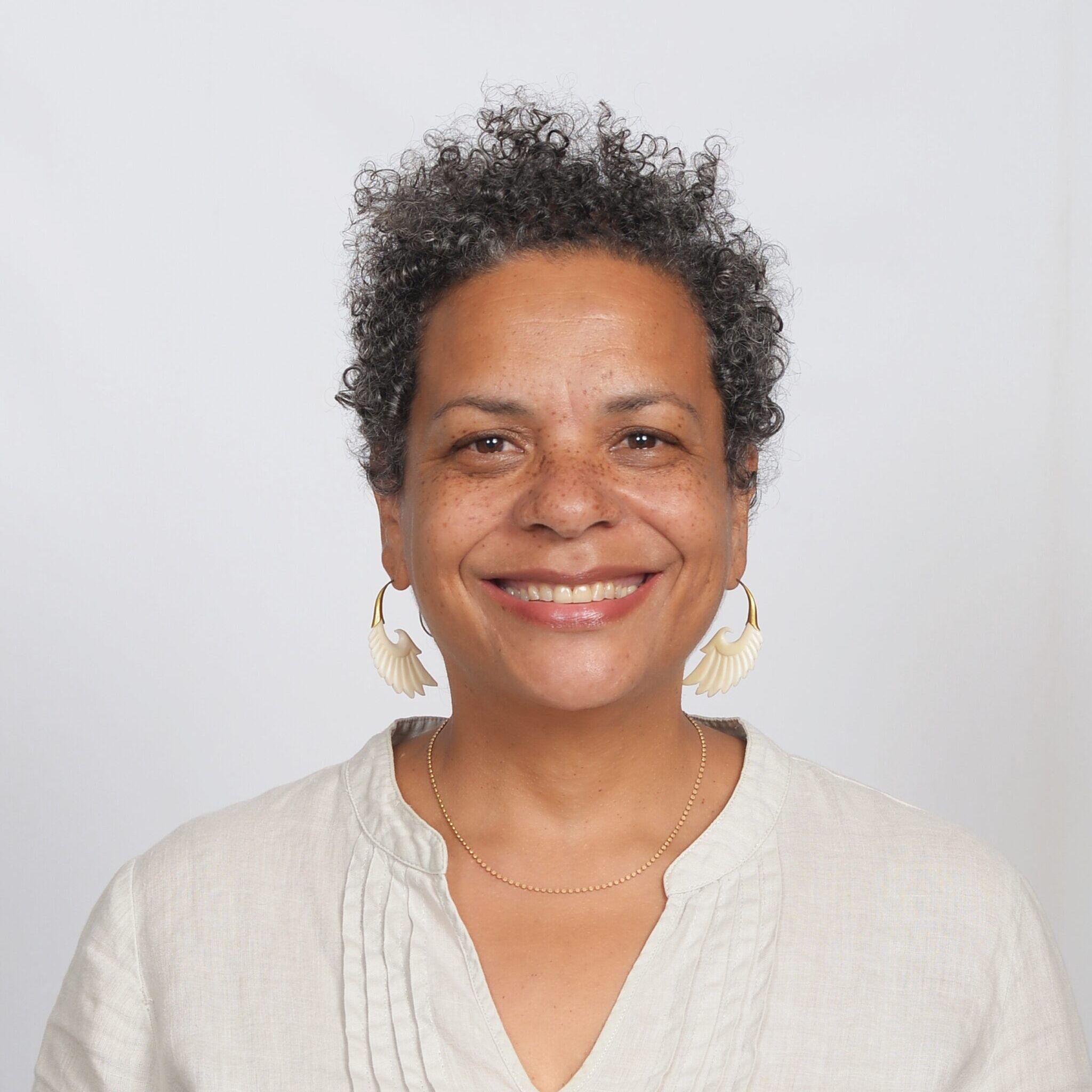
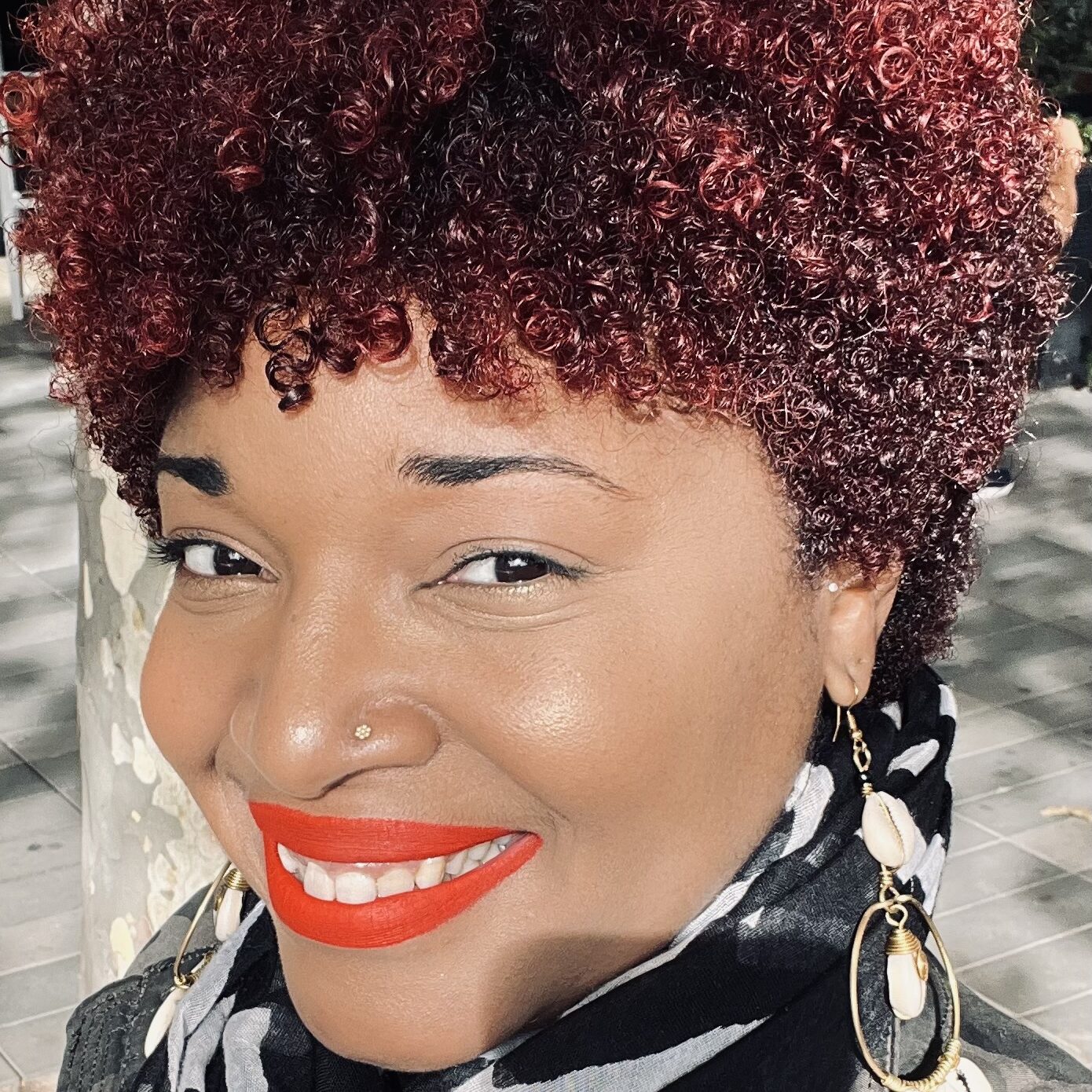
Amadee Braxton and Koren Martin hosted this episode, and Anaiah Davis was board operator for the show.
Brad Linder is Radio News Managing Editor for WPPM. Peta Liu is Radio Operations Manager. And Allison Durham is WPPM’s Radio Program Manager.
Episode Transcript
Note: The following transcript was machine-generated and may contain some spelling errors or other inaccuracies.
Amadee Braxton
This is Block by Block, a community news program where we explore issues affecting the Philadelphia area with news reports from members of the community. I’m Amadee Braxton,
Koren Martin
And I’m Koren Martin. In the next half hour, we’ll hear stories from our community news reporters about what it takes for students to succeed when learning English as a second language, a Germantown group that brings gardeners together to share knowledge and seeds, a cafe and art gallery in Center City, and a group of elementary school students who took an environmental justice message to City Hall,
Amadee Braxton
But first, a New Jersey-based political activist with ties to Philadelphia is back in the United States after being detained by the Israeli military. He’d been part of the largest flotilla of civilian ships to date that is trying to challenge the Israeli naval blockade that prevents humanitarian aid from being delivered to residents of Gaza. Block by Block reporter Dounya Ramadan traveled to New York on May 24th with other Philadelphians to welcome him home, and brings us this story.
Dounya
At JFK International Arrivals Hall, I waited alongside hundreds of people, including Philadelphia friends and New Jersey family members of political activist and former Philadelphia resident of seven years, Amed Ibrahim, to greet him and 14 other U.S. citizen flotilla participants arriving back home after being deported by Israel. Amed’s organizing experience, which centers Palestinian political prisoners and resistance, started in Philadelphia, where he spent his 20s and became an important part of the Philadelphia organizing community, Ramar decided to embark on this maritime flotilla with people from over 40 other countries to challenge the Israeli naval blockade and siege imposed on Gaza since 2007, which has been condemned as illegal by the UN and rights groups since its imposition. Israel intercepted their ships, abducted them in international waters, tortured them in their prison ships, and at Ketsiot prison camp in the Negev Desert. While we waited for Amr to be released from the U.S. Customs and Border Protection custody, I spoke with Amed’s friend, Philadelphia organizer Noor.
Noor
What’s been really horrible knowing that your friend is detained and being held in these Israeli prisons with like hundreds of other like activists and flotilla like participants, Israel has even killed at least 10 flotilla participants since 2008, when the flotilla missions began. You know what we’ve seen happen to these flotilla participants pales in comparison to what Israel does to Palestinians in Israeli prisons constantly,
Dounya
According to Palestinian political prisoner advocacy organizations and the UN, over 9,000 Palestinians are in Israeli captivity, 1000s being held without charges, some of them being women and children and health workers from Gaza. And Amed’s mother says part of the reason her son was on the flotilla was to highlight these abuses Palestinians have endured in Israeli captivity for decades.
Amed’s mother
We’re not only like advocating for my son; we’re advocating for everyone else’s in the Israelis prison. 9000 like prisoners, they’ve been like tortured, like raped, everything that you can imagine happening to them. So if we focus now on our children coming back home. We also have to highlight what’s happening in Palestine.
Amed
Thanks for coming.
Dounya
That was Amed. He just got released from CVP custody at JFK Airport. While in Israel’s Ketsyot prison camp, Israeli guards subjected Amr to multiple blows to the head. At their hands, he also sustained injuries such as a possible broken nose, nerve damage, and muscle tissue and rib damage. But even though Israel subjected him to torture and abuse, he wants to keep shining a light on the abuses happening to Palestinians every day. A week after Ahmed’s arrival at JFK, he sat down with me to discuss his experience and how the perception of flotilla participants and what they’ve experienced in Israeli prisons is directly connected to how Israel views Palestinians.
Amed
Based on how they treated us and how they talked about Palestinians, they didn’t see Palestinians as humans, they saw them as animals that they needed to exterminate. They even like threatened to bring us to Gaza, which was like ironic because that’s where we were trying to go. But the way they kept threatening to do that is like suffer there with them and potentially die there with them.
Dounya
Ahmed explains how the conditions in the Israel Quetzyot prison camp he was held in resembled that of a concentration camp.
Amed
At one point, we were held in a small cage, where like 100 of us were like stacked on top of each other. We stayed in that cage for hours well into the night. International outrage and diplomatic pressure led to. Our release within days, but Palestinians stay for years and even decades, and Palestinians endure these systems largely in isolation and without media attention or any intervention or any kind of protection.
Dounya
Ahmed still recognizes that many might be skeptical about the several missions since 2008 that have failed to actually break the Israeli blockade on Gaza, but Ahmed explains there is more to this international mission that folks are missing here.
Amed
It’s important to talk about how much this means to the people in Gaza. I’ve had friends of mine who live in Gaza call me to tell me like how much it means to them to see they weren’t forgotten. The people in Gaza is they can’t believe the whole world is watching, and no one’s really doing anything. It may feel like it’s symbolic, but it does mean a lot to them that people haven’t forgotten about them.
Dounya
From Philly political prisoners like Mumia Abu Jamal to Palestinian Gazan healthcare worker Dr. Hassem Abu Sofia, who’s now in solitary in Israel? Amed says, “Hear them and advocate for them. If you want to hear more from Amr, a longer filmed interview will be published on the YouTube channel Hate Five Six in the coming weeks. For PhillyCAM’s Block by Block, I’m Dounya Ramadan.
Koren Martin
More than 15% of Philadelphia residents were born outside the United States, and many come from countries where English is not the primary language. As block by block reporter Ahmed Hassouna reports, that poses challenges for students who are learning English as a second language.
Ahmed Hassouna
For students learning English, success in school involves much more than mastering a new language, it can also mean adjusting to a new environment, building confidence, and finding a sense of belonging. At McKinley Elementary School in Philadelphia, educators work with English language learners both inside and outside the classroom to help them navigate those challenges.
April Marinell
What continent have we been learning about, or what country?
Students
Simba,
April Marinell
Zimbabwe. Where is in Africa?
Ahmed Hassouna
As a substitute teacher at McKinley School, and as someone who learned English as a second language myself, I’ve often wondered what it’s like for students learning a new language while adapting to a new school environment. To better understand that experience, I spoke with ESL teacher April Marinell.
April Marinell
Since we’re a K to eight school, I work with all of the grades. We have this year about 28 students who are identified as English learners, and so depending on their level, they either come to my classroom in small groups, or I push into their homeroom and support them there. Or students who are more advanced, the teacher and I use planning time to discuss strategies that we can use to help them.
Ahmed Hassouna
April says teaching English to students who are learning a new language isn’t just about having them memorize words and grammar rules.
April Marinell
We have speakers of other languages who might be learning a different alphabet or a totally different sound system-that’s one challenge. Sometimes feeling as though they belong, making friends, or feeling self-conscious. If they feel like they prefer to share in a smaller group or one-on-one, I think that can sometimes be hard to feel comfortable in a large group setting.
Ahmed Hassouna
Helping students feel comfortable and confident is a major part of the work.
April Marinell
When they come here in a smaller group, it seems more like a safe space where they can try things out in a smaller setting. I think that helps them feel more confident about their skills. And then I think the activities that the school plans, as a whole, that give students a chance to feel successful-not always in an academic way, but could be in an artistic way or in a music way. So they feel like there are many ways that they can contribute and feel as though they belong to the school community.
Ahmed Hassouna
Sometimes that support can lead to remarkable success.
April Marinell
One year, not too long ago, our eighth graders we had two ESL students. One was the valedictorian, and another one was the salutatorian. At their ceremony, they mentioned how they felt they. Were supported by the school and by their peers, and when they initially came, not speaking, in one case, any English, and then to be able to learn enough to be valedictorian and salutatorian.
Ahmed Hassouna
For Marinell, success is not only about language; it is also about helping students recognize the value of their own voices, cultures, and experiences. For example, there is a student she works with who is the only speaker of her native language at the school.
April Marinell
What I’ve found that she really takes pride in is when we specifically ask her, “Well, how would you say that in in your language? and get the other students interested in in her traditions and her culture and her family. When she sees that we want to learn her perspective, I think she feels as though she really has something to offer. And I have seen over time, then students will ask her, “Well, what do you do? Or is that true in your family, they need space and time to feel comfortable.
Ahmed Hassouna
Marinell says there are still misconceptions about what it means to learn a second language.
April Marinell
I think sometimes there’s a misunderstanding about the process of learning a second language, and that it’s not instant or it’s not something that you can turn on and off. I feel like something that the U.S. is lacking as a whole compared to other countries is recognizing the value of multilingualism. Many times when we meet people from Europe or Africa, it’s typical to know two or three languages, and I feel like that’s something that I wish the U.S. did a better job at teaching from a young age.
Ahmed Hassouna
For block by block, I’m Ahmed Hassouna.
Amadee Braxton
A group of young students are learning about environmental justice and advocacy. Block by block, reporter Anaiah Davis brings us this story about a South Philly teacher who helped her second graders take their message to City Hall.
Anaiah Davis
Angela Chan teaches second grade at Fanny Jackson Copeland Public School in South Philly, where I work as a media instructor. Part of her work involves teaching students about science and nature, which is something she wishes she had learned to appreciate when she was their age. Angela is a first-generation American who was born in Philadelphia and was very involved in her Chinatown community when she was growing up, doing things like tutoring neighbors who were learning English. But it wasn’t until she moved to Arizona to complete her student teaching that she came to see the beauty in protecting nature.
Angela Chan
Growing up in the city, I did not appreciate wildlife and nature until I was a young adult. It was probably in Arizona when I noticed the red rocks and the canyons that I started to notice the natural world around me.
Anaiah Davis
Angela doesn’t want her students to realize the beauty of nature in Philadelphia late in life as she did.
Angela Chan
My belief is that we are all connected. We’re connected to the smallest creatures in the world, and I really want students to feel that connection, since they’re growing up in the city, they might not notice the nature that’s around us. But I believe that if we learn to connect with nature, and if we learn to take care of even the smallest living beings in our world, it will help us to become better human beings. My own love of nature and my belief that everyone and every living being is connected helped me to want to introduce environmental science, environmental justice, to my students. Sh
Anaiah Davis
She wanted her students to learn how to use the equipment to interview Philadelphia Council member Jamie Gaudier about her proposed Stop trashing our air act. This act would stop Philadelphia’s trash being sent to the Reworld Trash Incinerator in Chester, Pennsylvania. The students would also create posters in collaboration with ArtWell, a Philadelphia art nonprofit, to bring with them to City Hall, where they would speak in favor of the bill. Using these partnerships, Angela helps bring to life what the students want to voice-not only to each other, but to their wider community. The video called “Save Our Air” was completed in March and shared to the school community. Soon after, the students took to City Hall to voice their concerns. Cyrus, one of the children in Angela’s class, was a little nervous about going up to the council.
Cyrus
So when we like walked in, I I was really nervous. But when I saw other people do it, I was like, oh, it doesn’t seem that bad. When I did it, I started to like not feel that nervous because all I was doing was. Talking and most of the people that were there were sitting behind me, only like the council members were in front of me, so that made it less stressful.
Anaiah Davis
Poppy, his classmate, felt almost like the experience was dreamlike.
Poppy
My experience speaking at City Hall is kind of surreal. It felt so cool to be in front of an entire crowd and in front of such important people.
Anaiah Davis
Itwas this maturity and motivation the students showed that made Angela want to bring the children to City Hall in the first place.
Angela Chan
It was a little bit nerve-wracking in the beginning because City Hall is just not a kid-friendly place, but it was very powerful to see students say, “Hey, we can’t just let this stand. That really touched me and gave me hope that we have young people who know so clearly what’s right or wrong. So really, I just made the process possible for them to do.
Anaiah Davis
With this event and with Angela’s teaching, students like Juno feel like they have a voice in how their city is run.
Juno
I might not like go to City Hall and public testify again, but I might email council members, tell them that like this isn’t right, or I might send letters to the government, stuff like that. Yeah.
Anaiah Davis
What does Angela want her students to take from learning advocacy? That not only should kids be included in the conversation, but that every battle may not result in a win. Something that’s important for children to learn.
Angela Chan
The fact that as a community we made this decision to put our strength together and our voices together to make a difference. What we’ve learned in the process is as important as whether or not City Council voted to shut down the trash incinerator. So that was something that the kids took with them. That if a vote doesn’t work out for us this time. The work continues.
Anaiah Davis
For block by block, I’m Anaiah Davis.
Koren Martin
At a time when food costs are rising and many people feel disconnected from their neighbors and from nature, one group in Germantown is bringing small groups of people together to share tips on growing your own food. My co-host Amati Braxton explains that participants also get their hands dirty helping out in one another’s gardens.
Amadee Braxton
A little over a year ago, I bought a house in Germantown in Northwest Philadelphia. It has a large yard brimming with possibility, but where to begin? Where should I put raised beds to grow food? How should I deal with the black raspberry bushes that were out of control? Were those vines with the white flowers invasive? I had so many ideas, so much to do, and so many unanswered questions. Then I came across a group that runs a gardening learning circle in Germantown, and I joined to get answers to some of those questions. I met up with the founder of the Learning Circle in her garden.
Celeste Preston
I was always a child that loved to be outside, so you could find me playing with worms, playing with insects, picking up birds, and just studying the land. My name is Celesete Preston, and I am a organizer for Great, which stands for the Germantown Residents for Economic Alternatives Together.
Amadee Braxton
Great’s gardening learning circle meets once a month at different group members’ yards to share knowledge and build skills by doing hands-on garden projects together.
Celeste Preston
So the great gardening learning series I created this year because I saw a need for a space for us to learn gardening techniques, and I wanted to just give folks an opportunity to come together once a month for two hours and whatever questions they have. If I can’t answer, there may be another experienced gardener that could share information.
Amadee Braxton
And Celeste does know a lot about gardening. She studied ornamental horticulture and environmental design from Delaware Valley University. In our first few gatherings, we’ve learned about starting plants from seed, how to propagate plants through cuttings and how to build raised beds. She hosted the first session in the expansive yard of her apartment building. It’s full of edible plants in their early stages, and lots of gardening tools are off to the side.
Celeste Preston
During our first session, I showed everyone how to use recyclables as greenhouses, and right now I have a gallon crystal geyser water bottle that I cut in half, but not completely, so that there is an opening for air, and there’s also holes at the bottom.
Amadee Braxton
So now we’re inside the garden. Let us know what you have growing here.
Celeste Preston
I have so many plants. Growing right now, I have chives growing, purple sage, oregano. I have strawberries that are flowering right now. They have a white flower. I have some cilantro popping up.
Amadee Braxton
At a recent gardening circle gathering, a few of us worked to help clear out a garden bed to prepare for planting, and we put together a small greenhouse kit. I brought some black raspberry cuttings from my yard to share. Next month, we’ll build raised bed frames for another group member. Participants like Elaine say there are a bunch of reasons they enjoy gardening together in small groups like this.
Elaine
Touching the soil, being in the sun, it makes me feel alive and grounded and healthy, like I’m in my body. Yeah, it feels good and it makes me happy to talk to other people.
Amadee Braxton
Group members work to weed an area for planting and fill up a wheelbarrow with the weeds for a nearby compost pile.
Danielle
My name is Danielle. This is my first gardening circle meeting. Actually, growing up, my grandparents had a really awesome garden in the yard, and it was just really a huge part of my childhood, and just kind of became part of my identity. Just being outside and just kind of foraging in the yard, eating whatever you know-the mint, the raspberries, the pears-and I’ve just been dreaming of having that again, and I finally I think I’m able to because we just moved into a house that has like a yard and I can do what I want with it. So I was really excited to see this gardening circle pop up and a place that I could you know learn from some other gardeners and share kind of just in community and support each other.
Amadee Braxton
If you were to get this circle to come to your house to help you, what would you want help with?
Danielle
I’m literally just beginning, so even just identifying what’s already in the yard would be helpful. And ideas of like where to put new things. I just got some raspberry stalks from another neighbor, so I shoved them in the ground in a corner where I think it’s sunny. So I hope, fingers crossed, they do well. But I’m really such a beginner right now, so I’m like just trying to absorb all of the like knowledge I can really.
Amadee Braxton
Well, you can take some of my black raspberries, so you’ll have black raspberries and red raspberries.
Danielle
Thank you. That’s literally recreating my grandma’s yard. That makes my heart so happy. Thank you.
Amadee Braxton
Oh, that’s so great. Okay, cool. This is Amadee Braxton with Block by Block.
Amadee Braxton
There are hundreds of coffee shops in Philadelphia, and while many are part of big chains like Starbucks or Dunkin’ Donuts, there are dozens of smaller independent cafes that stand out by offering more personal and local experiences. Block by block, reporters Abby Cruz and Ahmed Hassouna stopped by Time and Peace Cafe and Gallery at Seventh and Ramstead recently, and spoke with owner Justine Cruz about what makes a cafe feel like part of a community.
Abby Cruz
Were you always a coffee aficionado? Like, did you always make like good coffee, or are you self-taught? How did you become like such a barista? Is it by trade, TikTok? Like,
Justine Cruz
it’s a little bit of both. So before we bought the cafe itself, I really just made drip coffee at home. It wasn’t anything special that I did, but for a year I shadowed the previous owner. So I came in, I ran shifts, I learned everything from him, I did a lot of back research on my own end, and really tried to make sure that coming into the business, I wasn’t as much of a novice. I wanted to be able to really curate a space and curate the craft, so that when people did have our coffees, it felt like somebody was really trying and really cared and really thought about each individual cup. It’s really easy in a city with so many cafes for it to feel like they’re just trying to give you your coffee and get out, but everything that we do is hand done and handcrafted and slowly. So we tell people like, when you come in, you are gonna take a little bit more time. It’s meant to be peaceful. It’s meant to be intentional. So like when you’re younger and you watch your family members make coffee, or you watch at least when I grew up with Latina heritage, coffee is a big deal. It becomes a part of a ritual. So keeping that kind of feeling within every single cup is what we try to do here, which I think is what makes people really feel like they’re in a time portal and feel like when they come in, everything kind of slows down because you know me, we take our time with everything.
Ahmed Hassouna
While cafe is an important part of the cafe, it is not the only thing that brings people to Time and Peace. Time and Peace also hosts events for all different communities in the city, from comedy shows, run and sip clubs, to hosting weddings. This cafe offers an event. Space for everyone. The cafe is also an art gallery. Justine curates pieces from local artists around the city. One
Abby Cruz
thing I noticed: you have games here people could play. Someone saying the comments is like a little miniature art museum.
Justine Cruz
Yes. Right now we’re hosting 14 different artists on our walls. We try to rotate our artists as much as often, or try to fill the space with as much Philadelphia artists as possible because each piece is a piece of someone from Philly, and I think that that’s important for us because we are a cafe and we are a gallery. But making art accessible is very different than being in a place where like the art is there, but you can’t take it, or they’re not supporting the artists in a way that is conducive of them actually being able to sell the art. So really trying to boost the art profile as well as much as the coffee. So having photographers and painters and drawers and graphic designers, it all like blends into this beautiful melting pot.
Abby Cruz
Customers seem to appreciate what Time and Peace has to offer. Jeff, who was a regular at Time and Peace, brought his two friends along with him for the first time, but found it to be the perfect place to conduct their writing workshop together. What made you keep coming back? The
Jeff
quietness, the hominess, the handmade element to everything, the like amount of care that’s been placed into everything, the friendliness of the folks behind the desk, the kind of tucked away nature of it. I think it’s it’s really wonderful.
Abby Cruz
You’re a lot like me. If I find a spot that I really like, I get my friends and I hold them hostage. Yeah, yeah. Tell them, yo, I got this spot in the city. You got to come with me.
Jeff
Yeah.
Abby Cruz
And you brought your friends to do. One of your friends said it was her first time here. Friend, what’s your name?
Edan
Edan.
Abby Cruz
Edan, what do you feel? How do you feel about this place?
Edan
I love it. I mean, it was such a treat to hear a little bit of just like the owner’s intentions in creating a space that is very much for the community and for the creative community. Like we’re here because of a writing workshop that we all took, so we were doing some writing together, and we’re all various types of artists. So it’s really great to have a space like this for the community.
Justine Cruz
I think that sometimes people look for when they start a business or when they acquire a business, they look for the monetary parts of it. But like the money comes, but the money goes too. Like you can’t keep everything forever. But if you can have a memory in somebody’s mind, they don’t lose that. Like having a picture that they could be like, oh, I remember when I modeled here for one of the sketch and sips, or played my guitar or my piano or whatever instrument here, or I had a special event here. Those things will last forever. So even when time and peace isn’t here anymore, nobody can take that away from those people. Nobody can take that away from me or from my family.
Abby Cruz
For block by block, I’m Abby Cruz,
Ahmed Hassouna
And I am Ahmed Hassouna.
Koren Martin
Block by block is produced by Abby Cruz, Anaya Davis, Ahmed Hassouna, Sheryl Jones, Charlie Klein, Sofia Matia, Milan Parker, Dounya Ramadan, Tafari Robertson, and us.
Amadee Braxton
Amadi Braxton
Koren Martin
And Koren Martin. Anaya Davis is our board operator tonight.
Amadee Braxton
Brad Linder is radio news managing editor for WPPM. Peta Liu is radio operations manager, and Allison Durham is WPPM’s radio program manager.
Koren Martin
This is the final episode of the spring season of Block by Block, but tune in June 21st for the next episode of Around the Block, featuring live interviews and more stories about life in the Philly area. And you can find the past episodes of the show on PhillyCAM SoundCloud, Apple Podcasts, and wherever else you find your podcasts.
Amadee Braxton
Thanks for listening.